

World Brain Day: 7 Stroke Warning Signs Every Kutch Family Must Know in the Golden Hour
A stroke is survivable. Most deaths and permanent disabilities happen because the warning signs were not recognized in time.
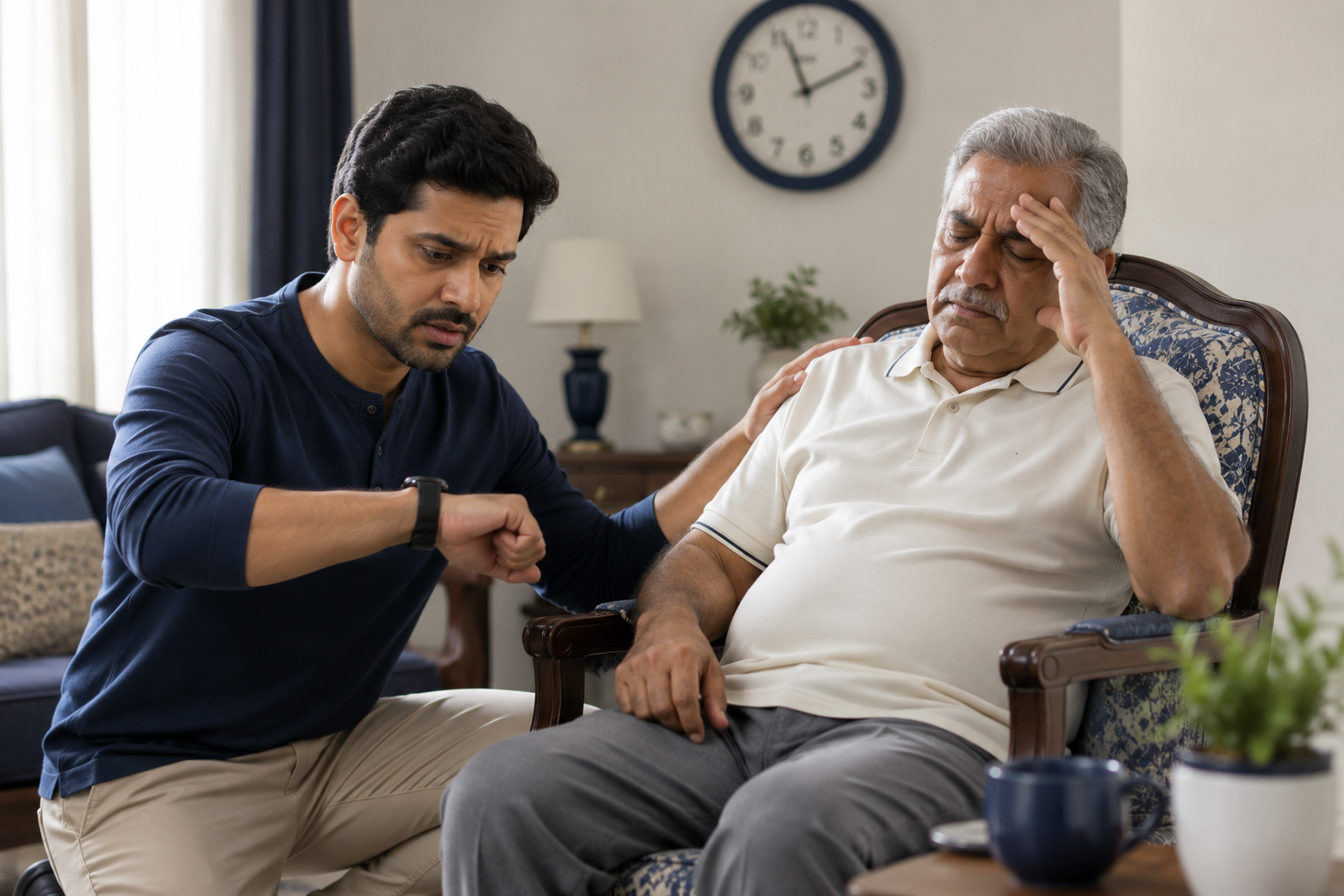
Every July 22, World Brain Day draws attention to neurological health worldwide. This year, the most useful thing any family in Kutch can do is learn the stroke warning signs that most people don't know until they need them urgently. A brain stroke cuts off blood supply to part of the brain - and brain cells begin dying within minutes. The window between first symptom and emergency treatment is called the golden hour, and what a family does inside that window determines whether a person survives, recovers fully, or lives with permanent disability. Most families lose that window not from lack of access to care, but from not recognizing that a stroke was happening.
The 7 Stroke Warning Signs - Learn These Before You Need Them
Each of these can appear suddenly, without warning, in a person who felt completely normal moments before.
1. Face drooping on one side
Ask the person to smile. If one side of the face droops or does not move symmetrically, this is a stroke sign. The drooping may be subtle - look carefully.
2. Arm weakness or numbness
Ask the person to raise both arms. If one arm drifts downward or cannot be raised, the motor pathway on one side of the brain is affected.
3. Speech difficulty
Slurred speech, garbled words, inability to find the right word, or complete loss of speech are all stroke warning signs - even if the person understands what is being said to them.
4. Sudden severe headache
A headache described as "the worst of my life" - appearing instantly without a trigger - is a classic sign of a haemorrhagic stroke (bleeding in the brain). This is a medical emergency even without other symptoms.
5. Sudden vision loss or double vision
Loss of vision in one eye, blurred vision, or seeing double suddenly - particularly on one side of the visual field - indicates the visual processing areas of the brain are affected.
6. Sudden loss of balance or coordination
Stumbling, inability to walk straight, or a sudden feeling of severe dizziness with loss of coordination - particularly when combined with any other sign on this list - points to a stroke involving the cerebellum or brainstem.
7. Sudden confusion or difficulty understanding
The person may seem blank, unable to follow instructions, or confused about where they are - even if they appear physically normal. Cognitive symptoms alone are among the most frequently missed stroke signs.
The FAST Acronym - A Memory Aid for Stroke First Aid
The easiest way to remember the core stroke warning signs is the FAST test, used by emergency responders across India:
| Letter | What to Check |
|---|---|
| F - Face | Ask them to smile. Is one side drooping? |
| A - Arms | Ask them to raise both arms. Does one drift down? |
| S - Speech | Ask them to repeat a simple phrase. Is it slurred or strange? |
| T - Time | If any answer is yes, call for emergency help immediately. Note the exact time symptoms began. |
Time noted at symptom onset is critical - hospitals need this information to determine treatment eligibility.
What the Golden Hour Actually Means
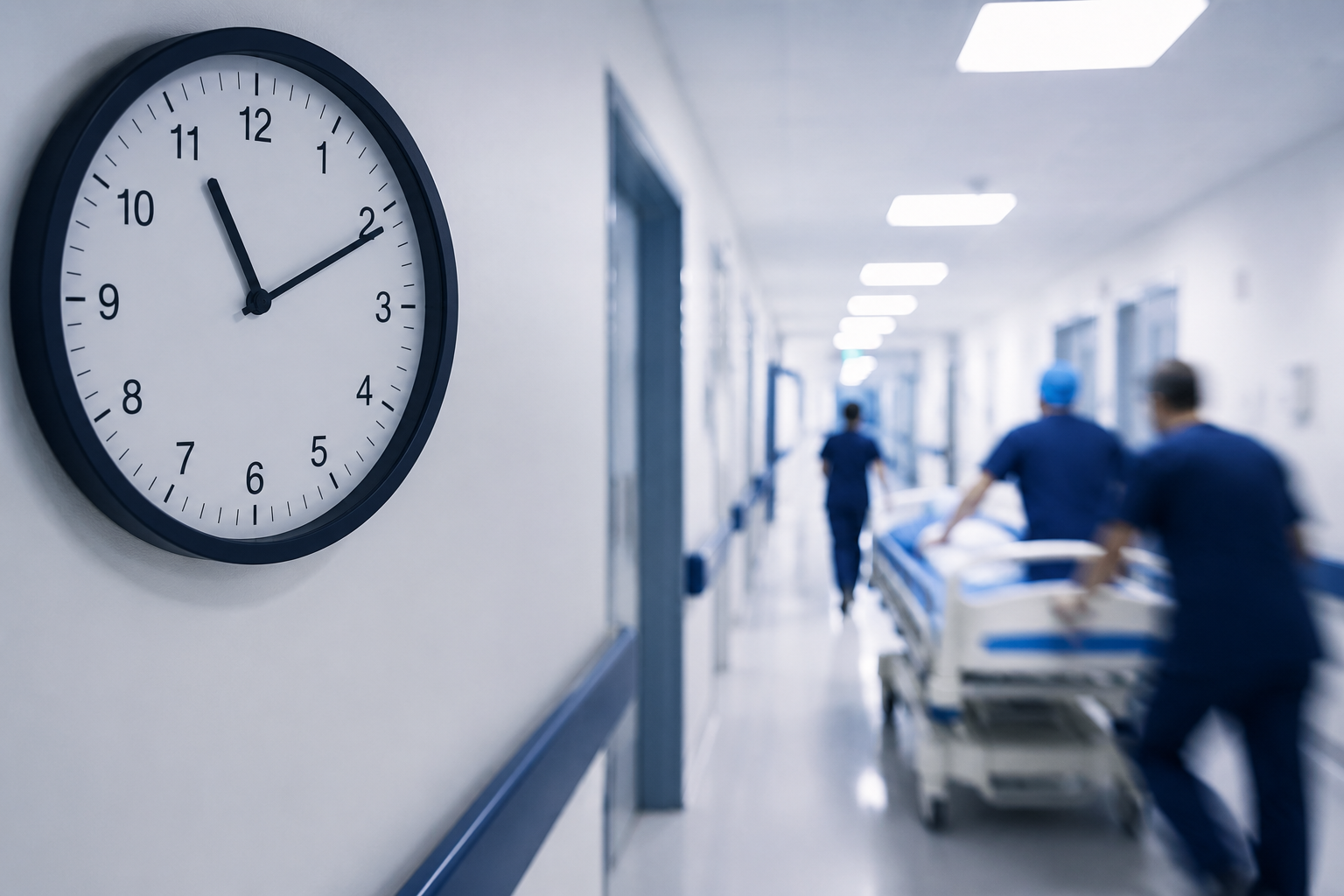
The term "golden hour" refers to the window - ideally within 60 minutes, broadly within 3–4.5 hours - during which clot-dissolving treatment (thrombolysis) can be administered for an ischaemic stroke. After this window closes, the treatment cannot safely be given and the damage becomes irreversible.
Most stroke deaths and disabilities in India are not caused by a lack of treatment - they are caused by delays in reaching hospital. Those delays almost always come from the same sources: families waiting to see if the symptom passes, assuming it is exhaustion or a dizzy spell, or not recognizing that what they are seeing is a brain stroke symptom at all.
The difference between arriving at hospital in 90 minutes and arriving in 6 hours can be the difference between full recovery and permanent paralysis.
What to Do When Someone Has a Stroke - Step by Step
- Note the exact time the symptoms began - tell the emergency team this number the moment you arrive.
- Call for transport to hospital immediately - do not wait for symptoms to improve.
- Keep the person calm and still - do not give food, water, or any medication.
- If the person is unconscious and breathing, place them on their side to prevent choking.
- If breathing stops, begin CPR if you are trained.
- Do not drive erratically or spend time calling multiple family members - the only call that matters is to arrange transport to the nearest equipped hospital.
For patients in Gandhidham and across Kutch, Swasthya Hospital's Neurology department provides evaluation and management for stroke and related neurological emergencies.
Who Is at Risk - Stroke Warning Signs Are Not Just for the Elderly
Brain strokes are not only a condition of old age. Uncontrolled hypertension is the single largest risk factor - and hypertension in men in their 30s and 40s is increasingly common in Kutch's working population. Unmanaged diabetes doubles stroke risk. Atrial fibrillation (irregular heartbeat) causes clots that travel to the brain. Smoking, obesity, and high cholesterol each compound the risk further.
Knowledge vs. Prevention
Knowing the stroke warning signs is important for every family. Controlling the risk factors that cause a stroke - through cardiology and endocrinology evaluation - is the step that prevents needing to use that knowledge.
Learn the Stroke Warning Signs - Then Reduce the Risk at Swasthya Hospital
Recognizing stroke symptoms is the first step. Managing the conditions that cause them - hypertension, diabetes, cardiac arrhythmia - is the step that prevents a stroke from occurring at all. Swasthya Hospital's Neurology, Cardiology, and Endocrinology departments are available in Gandhidham for stroke risk evaluation and management.
Book a Consultation at Swasthya Hospital