
Lodaer Img

Infectious Disease Doctor in Gandhidham – Swasthya Hospital

infecteous disease

Fever, infections, and tropical diseases are among the most common reasons patients seek medical care in Kutch - and among the most frequently mismanaged. Swasthya Hospital's infectious disease doctor in Gandhidham provides specialist evaluation for complex, recurring, or unusual infections that require more than standard antibiotic treatment. From dengue and malaria to typhoid, leptospirosis, and drug-resistant infections, our doctor in Gandhidham identifies the pathogen, selects the right treatment, and manages complications. Serving patients from Bhuj, Anjar, Mundra, and across Kutch.

Infections and Conditions Treated by Our Doctor in Gandhidham

  • Dengue fever - NS1 antigen and antibody testing, platelet monitoring, and hydration management
  • Malaria - rapid diagnostic testing and evidence-based antimalarial treatment
  • Typhoid (enteric fever) - Widal and blood culture-guided management
  • Chikungunya - clinical management and joint complication monitoring
  • Leptospirosis - common in Kutch during and after flooding, requiring early diagnosis
  • Urinary tract infections (complicated UTI) - culture-guided antibiotic selection
  • Skin and soft tissue infections - cellulitis, abscess, and wound infections
  • Respiratory infections - community-acquired pneumonia, atypical pneumonia
  • Viral hepatitis (A, B, E) - diagnosis, management, and prevention counselling
  • Post-COVID complications - fatigue, breathlessness, and organ-function monitoring

Diagnostic Approach for Infectious Diseases in Gandhidham

Treating fever without identifying the cause leads to antibiotic overuse and treatment failure. Our infectious disease doctor in Gandhidham uses targeted diagnostics: complete blood count with differential (neutrophil vs. lymphocyte pattern helps distinguish bacterial from viral), NS1 antigen and dengue IgM/IgG for dengue, malaria rapid antigen test (RDT), Typhi Dot test, blood cultures, urine microscopy and culture, liver function tests, and inflammatory markers (CRP, procalcitonin). This approach identifies the infecting organism - or confidently rules out bacterial infection - rather than presumptively treating with broad-spectrum antibiotics.

Why Kutch Patients Need a Fever Specialist in Gandhidham

Kutch's climate, port activity, and proximity to agricultural areas create a high-risk environment for tropical infections. Dengue and malaria cases peak with monsoon season. Leptospirosis follows flooding. Enteric fever (typhoid) is endemic due to water quality challenges in parts of the district. Multiple infections can present simultaneously, making clinical diagnosis unreliable without the right tests. Our infectious disease doctor in Gandhidham provides the systematic evaluation and treatment that these conditions require - including appropriate IV therapy via our 24x7 short-stay unit.
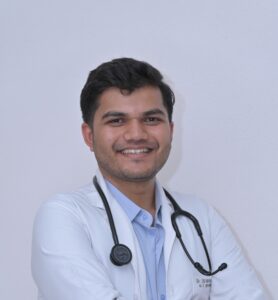
Dr Devansh Khadol

Warning Signs That Need an Infectious Disease Specialist

  • Fever lasting more than 5 days without a clear diagnosis
  • Fever with very low platelet count (thrombocytopenia) - dengue warning sign
  • High fever with severe headache and body aches after rain or flooding
  • Jaundice with fever - may indicate hepatitis A, E, or leptospirosis
  • Persistent fever after completing a standard antibiotic course
  • Returning from rural or forested areas with fever and chills - malaria risk

Frequently Asked Questions

Why avoid 2-day pharmacy antibiotics for fevers?

Taking incomplete or random antibiotics creates "Superbugs," making future medicines fail. Always consult an infectious disease doctor for a proper diagnosis and the exact course needed.

No, Dengue causes dangerous fluid loss requiring strict medical monitoring, not just platelet tracking. Dr. Devansh Khandol at Swasthya Hospital ensures a safe, complete recovery.

This is a dangerous myth. Jaundice is a viral liver infection. Delaying scientific treatment causes liver failure. Timely tests and visiting an infectious disease doctor in gandhidham are the only safe ways to treat it.

Guessing leads to wrong treatments. Malaria and flu symptoms look identical. A quick blood test helps pinpoint the exact infection so you receive targeted medicine immediately.

Typhoid returns if the infection isn't fully cleared, often because medicines were stopped early. Dr. Devansh Khandol provides full-course antibiotics and hygiene advice to break this cycle.

Chikungunya or Dengue leave lingering joint pain. Daily painkillers harm kidneys. Consulting an infectious disease doctor in Gandhidham provides safe, targeted meds for complete recovery.

A cough over two weeks with weight loss or fever is a strong TB warning. It is fully curable with proper care. We ensure confidential, accurate testing and a safe treatment plan.

Stopping early lets the strongest bacteria survive and multiply, rendering future medicines useless. Always complete the full prescribed course exactly as directed by Swasthya Hospital.

Severe vomiting, confusion, extreme drowsiness, or red spots are emergencies. Rush to Swasthya Hospital immediately for life-saving IV fluids and expert emergency care.

Prevent stagnant water, drink boiled water, and avoid street food during outbreaks. Trust an infectious disease doctor for routine check-ups to keep your family safe.

Yes. Swasthya Hospital has a specialist in Gandhidham for dengue, malaria, typhoid, leptospirosis, and complex infections.

Dengue is diagnosed using NS1 antigen (within 5 days of fever onset) and IgM/IgG antibody tests. Treatment involves hydration, platelet monitoring, and symptom management. Severe dengue with bleeding or very low platelets requires hospitalisation.

Yes. Leptospirosis occurs in Kutch during and after monsoon flooding, particularly in farming and animal-handling populations. It presents with fever, muscle pain, and jaundice. Early antibiotic treatment with doxycycline or penicillin is very effective.

No. Most fevers in adults are caused by viral infections, which do not respond to antibiotics. Unnecessary antibiotic use increases resistance. A specialist identifies whether bacterial infection is present before prescribing antibiotics.