
Lodaer Img

Kidney Specialist in Gandhidham – Nephrology at Swasthya Hospital

nephrology

Kidney disease is a silent condition - many patients lose 50 to 60 percent of kidney function before experiencing noticeable symptoms. Swasthya Hospital's kidney specialist in Gandhidham provides early detection, monitoring, and management of kidney conditions before they reach end-stage. Our nephrologist in Gandhidham serves patients from Bhuj, Anjar, Mundra, Adipur, Bhachau, and across the Kutch district - offering the clinical expertise to slow or halt kidney disease progression through targeted intervention.

Kidney Conditions Managed by Our Specialist in Gandhidham

  • Chronic kidney disease (CKD) - staged assessment, progression monitoring, and complication management
  • Diabetic nephropathy - kidney damage from long-standing diabetes requiring specialist co-management
  • Hypertensive nephropathy - kidney damage caused by uncontrolled high blood pressure
  • Nephrotic syndrome - protein leaking into urine with oedema and albumin loss
  • Glomerulonephritis - immune-mediated kidney inflammation
  • Urinary tract infections (UTI) - recurrent or complex UTIs needing evaluation
  • Kidney stones - metabolic workup and prevention strategy
  • Acute kidney injury (AKI) - stabilisation and monitoring in the short-stay unit
  • Anaemia of chronic kidney disease - evaluation and management
  • Pre-dialysis counselling and dialysis planning

Kidney Health Monitoring and Diagnostics in Gandhidham

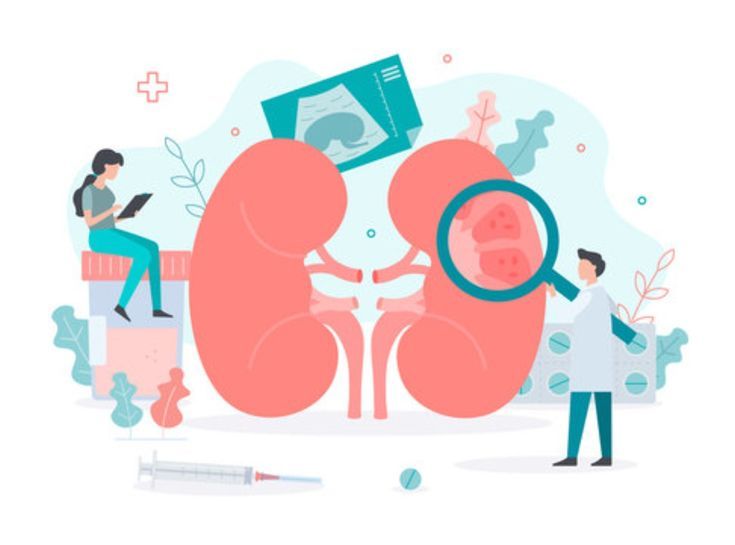
Detecting kidney disease early requires consistent monitoring. Our kidney specialist in Gandhidham uses eGFR (estimated glomerular filtration rate), serum creatinine, blood urea nitrogen, urine protein-to-creatinine ratio, and 24-hour urine collection to stage kidney function precisely. Electrolyte panels (sodium, potassium, bicarbonate) identify complications such as hyperkalaemia or metabolic acidosis. Ultrasound referral for kidney size and structural assessment is coordinated where indicated.
nephrology

Why Early Consultation with a Kidney Specialist in Gandhidham Matters

Patients with diabetes, hypertension, or a family history of kidney disease are at high risk for CKD. Early specialist review - when eGFR is still above 30 - makes a measurable difference in slowing progression and delaying or avoiding dialysis. Our kidney specialist in Gandhidham works alongside the endocrinology and cardiology teams (all co-located) to manage the metabolic and cardiovascular risks that drive kidney damage in most patients.

Warning Signs of Kidney Disease

  • Persistent puffiness or swelling around eyes, face, and ankles
  • Frothy or foamy urine (indicates protein loss)
  • Reduced urine output or changes in urination frequency
  • Fatigue, pallor, and shortness of breath (anaemia of CKD)
  • High blood pressure that is difficult to control
  • Creatinine or urea elevated on routine blood tests

Frequently Asked Questions

Is Kutch's hard water the main cause of kidney stones?

While hard water contributes, severe dehydration, high salt, and genetics are bigger factors. Hydration and expert medical management are the best ways to stop repeat stones.

You lose a lot of water through sweat. Drink 3-4 liters daily so your urine is pale yellow. Proper hydration easily flushes toxins and prevents stone formation.

Muscle pain worsens with bending. Stone pain is sudden, sharp, and travels to the groin, often with nausea. See a kidney specialist in gandhidham for a quick scan.

No, this is a harmful myth. Beer causes dehydration and raises uric acid, making stones worse. Seek proper kidney disease treatment in Kutch instead of risky home remedies.

urning urine often signals severe dehydration or a UTI. Don't ignore it. Dr. Devansh Khandol provides accurate testing and the right antibiotic treatment to resolve it quickly.

Not completely. High-oxalate foods need moderation, but drastically reducing salt is more vital. Get a personalized diet plan to eat safely without unnecessary fear.

No. Many stones under 5mm can be flushed out medically with proper hydration and diet. Swasthya Hospital specializes in safe, non-surgical management whenever possible.

Kidneys suffer silently. Watch for puffy eyes, swollen ankles, foamy urine, or extreme fatigue. A nephrologist Gandhidham can check your function with a simple blood test.

High sugar and BP silently destroy tiny kidney filters over time, leading to failure. Regular check-ups with a CKD specialist Gandhidham are essential to prevent permanent damage.

For comprehensive care, Dr. Devansh Khandol offers reliable tests like urine analysis and ultrasounds. Routine screening catches infections or weakness before they become emergencies

Yes. Swasthya Hospital has a nephrologist in Gandhidham for CKD, diabetic kidney disease, kidney stones, and related conditions.

Yes. With early specialist care - controlling blood pressure, blood sugar, protein intake, and anaemia - CKD progression can be significantly slowed and dialysis delayed or avoided.

eGFR (estimated glomerular filtration rate) measures kidney filtering efficiency. Normal is above 90. CKD stages 3-5 (eGFR below 60) require regular specialist monitoring.

Not always. Many CKD patients are managed with medication, diet, and monitoring for years without needing dialysis. Dialysis planning begins when eGFR falls below 15-20.