
Hepatitis A and E in Monsoon - The Hidden Risk in Roadside Water and Ice
Two hepatitis viruses you've probably never specifically worried about. One of them is dangerous in pregnancy.
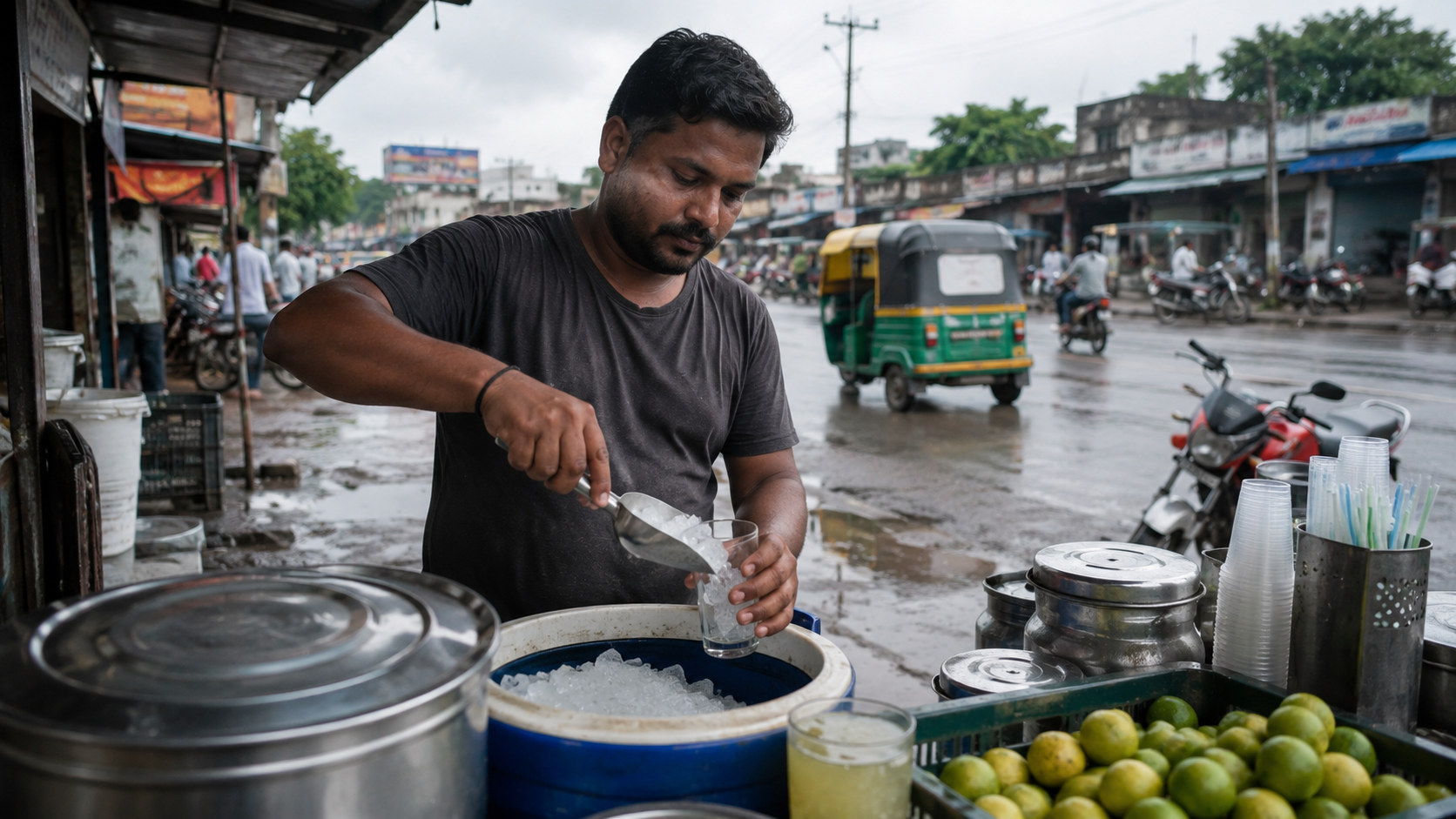
Every monsoon season in India, Hepatitis A symptoms appear in clusters - families, coworkers, and neighbours falling sick together with jaundice, nausea, and fatigue within days of each other. The connection is almost always a shared source: a roadside water container, ice from an unverified supplier, or a food vendor using contaminated water to wash utensils or prepare food. Hepatitis A and Hepatitis E are waterborne viruses that spike specifically during and after monsoon flooding, when sewage and drinking water sources mix. Unlike Hepatitis B and C, they are not spread through blood or sexual contact - they are in the water, and in Kutch's monsoon conditions, that water is everywhere.
Hepatitis A Symptoms - What the Illness Looks and Feels Like
Hepatitis A symptoms typically appear two to four weeks after exposure to the virus. The early phase mimics a flu-like illness - fatigue, loss of appetite, nausea, and a mild fever - which is exactly why it gets dismissed as a seasonal infection in the first few days.
Within a week of the flu-like phase, the liver becomes involved. The characteristic signs appear:
Signs the Liver Is Involved
- Jaundice - yellowing of the skin and whites of the eyes
- Dark urine (described as tea-coloured or cola-coloured)
- Pale or clay-coloured stools
- Right-sided abdominal discomfort or heaviness (where the liver sits)
- Itching of the skin as bile accumulates
Most adults with Hepatitis A recover fully within four to eight weeks without specific antiviral treatment, but the illness is debilitating and can occasionally cause severe liver inflammation - particularly in adults with pre-existing liver conditions, such as fatty liver or cirrhosis. Ongoing liver monitoring for these patients falls under gastroenterology care.
Hepatitis E in India - The Less-Known Waterborne Virus
Hepatitis E follows the same transmission route as Hepatitis A - contaminated water and poor sanitation - but has a critical difference that makes it significantly more dangerous in certain groups.
In healthy adults, Hepatitis E is a self-limiting illness similar in presentation to Hepatitis A, resolving within four to six weeks. In pregnant women, particularly in the second and third trimester, Hepatitis E can cause fulminant hepatic failure - a rapid and severe deterioration of liver function that carries a high mortality risk. This is not theoretical: Hepatitis E outbreaks in India have consistently shown disproportionately severe outcomes in pregnant women, making it a specific concern during monsoon season in Kutch.
Hepatitis E is also a risk for people who are immunocompromised - including those on immunosuppressive medication for autoimmune conditions managed by the Rheumatology department - where it can become a chronic rather than self-limiting infection.
Hepatitis A vs Hepatitis E vs Hepatitis B and C - The Differences That Matter
| Feature | Hepatitis A | Hepatitis E | Hepatitis B | Hepatitis C |
|---|---|---|---|---|
| Transmission | Contaminated water/food | Contaminated water/food | Blood, sexual contact | Blood contact |
| Seasonality | Spikes in monsoon | Spikes in monsoon | Year-round | Year-round |
| Chronicity | Never becomes chronic | Rarely chronic (except immunocompromised) | Can become chronic | Often becomes chronic |
| Vaccine available | Yes | No licensed vaccine in India | Yes | No |
| Special risk group | Elderly, liver disease | Pregnant women | Healthcare workers | IV drug users |
| Recovery | Usually full in 4–8 weeks | Full in 4–6 weeks (except pregnancy) | Variable | Variable |
The distinction matters practically: Hepatitis A and E do not require antiviral therapy in most cases, but they do require rest, hydration, and monitoring - especially to catch the minority of cases that progress to serious liver involvement.

The Roadside Ice and Water Problem in Kutch's Monsoon
The primary transmission route during monsoon is contaminated water entering the food and drink supply. This happens through several specific pathways that are common across Gandhidham and Kutch:
Ice at roadside vendors is often made from unfiltered municipal water or bore water that has not been treated - the freezing process does not kill the Hepatitis A or E virus. Water used to wash fruits, vegetables, and utensils at roadside stalls carries the same risk if it comes from an unverified source. Flooding during heavy monsoon can contaminate well water and municipal supply lines where sewage and water pipes run in proximity. Food prepared with contaminated water - including chilled drinks, cut fruit, and street food - is the most common vehicle for transmission.
The virus load needed to cause infection is extremely low, which is why sharing a single contaminated drink or eating food washed in contaminated water is sufficient for transmission.
How to Prevent Hepatitis During Monsoon in Kutch
Prevention is straightforward but requires consistent application rather than occasional caution:
Drink only boiled or sealed bottled water during monsoon - not filtered water unless you are confident the filter removes viruses. Avoid ice at roadside vendors entirely during the monsoon season. Eat cooked food rather than raw cut fruit or salads from outside vendors. Wash hands with soap before meals and after using a toilet - the fecal-oral route is how both viruses spread, as outlined by the CDC's overview of Hepatitis A transmission. For Hepatitis A specifically, a licensed vaccine is available in India and provides lasting protection - discuss eligibility with your doctor if you have not been vaccinated.
A Note for Pregnant Women
Pregnant women in their second or third trimester should be especially cautious about water and food sources during monsoon, and should seek evaluation promptly if any jaundice, fatigue, or nausea beyond typical pregnancy symptoms develops.
Hepatitis A Symptoms During Monsoon - Get Evaluated at Swasthya Hospital
Jaundice, dark urine, fatigue, or right-sided abdominal discomfort during or after monsoon season warrants a liver function test and clinical evaluation - not watchful waiting. Swasthya Hospital's Infectious Diseases and Gastroenterology departments in Gandhidham provide hepatitis evaluation, liver function monitoring, and management for waterborne infections across Kutch.
Book a Consultation at Swasthya HospitalFrequently Asked Questions
What are the early hepatitis A symptoms to watch for?
Early symptoms include fatigue, loss of appetite, nausea, and mild fever - easily mistaken for a seasonal flu. Within a week, jaundice, dark urine, and pale stools appear as the liver becomes involved. Early evaluation prevents missing the progression to serious liver inflammation.
What is the difference between hepatitis A and hepatitis E?
Both are waterborne viruses spreading through contaminated water and food, and both cause self-limiting illness in most adults. The key difference is that Hepatitis E carries a high risk of severe liver failure in pregnant women, while Hepatitis A has a licensed vaccine available in India.
How does hepatitis spread from roadside ice and water?
Ice made from unfiltered or municipal water is not virus-free - freezing does not kill Hepatitis A or E. Water used to wash food or utensils at street stalls transmits the virus if contaminated. A very small viral dose is sufficient to cause infection.
How to prevent hepatitis during monsoon in India?
Drink only boiled or sealed bottled water. Avoid roadside ice. Eat fully cooked food. Wash hands with soap before eating. Consider Hepatitis A vaccination if not already done. Pregnant women should be particularly careful about water and food sources during monsoon.
Is hepatitis E dangerous during pregnancy?
Yes. Hepatitis E in the second and third trimester of pregnancy can cause fulminant hepatic failure, a rapid and severe deterioration of liver function with high mortality risk. Any jaundice or significant fatigue in a pregnant woman during monsoon should be evaluated promptly.
When should I see a doctor for suspected hepatitis A or E?
See a doctor immediately if jaundice appears, urine turns dark, stools become pale, or fatigue is severe enough to prevent normal activity. Pregnant women with any combination of nausea, fatigue, and jaundice during monsoon should seek evaluation the same day.