
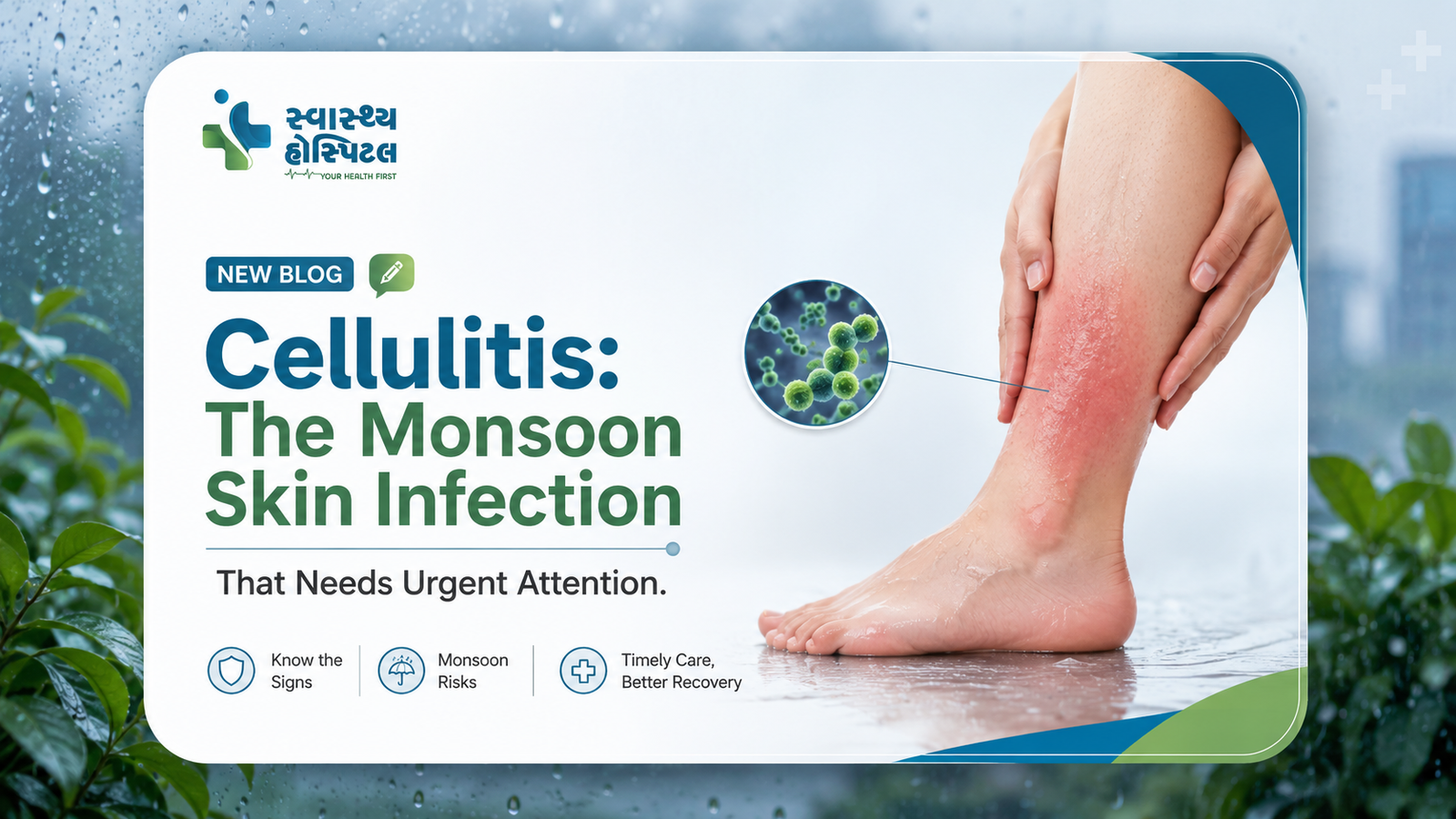
Cellulitis: The Monsoon Skin Infection That Needs Urgent Attention
A cellulitis skin infection can spread fast during monsoon. Know the warning signs, who is most at risk, and when to get urgent care.

A cellulitis skin infection can move from a minor cut to a medical emergency within days, and monsoon conditions make that more likely than most people realize.
What Cellulitis Actually Is
Cellulitis is a bacterial infection, usually caused by Streptococcus or Staphylococcus bacteria, that enters through breaks in the skin - cuts, insect bites, or cracks from an untreated fungal infection. Once bacteria get past the skin barrier, they spread through the deeper tissue layers rather than staying on the surface, which is what separates cellulitis from a surface-level skin issue.
Why Monsoon Raises the Risk
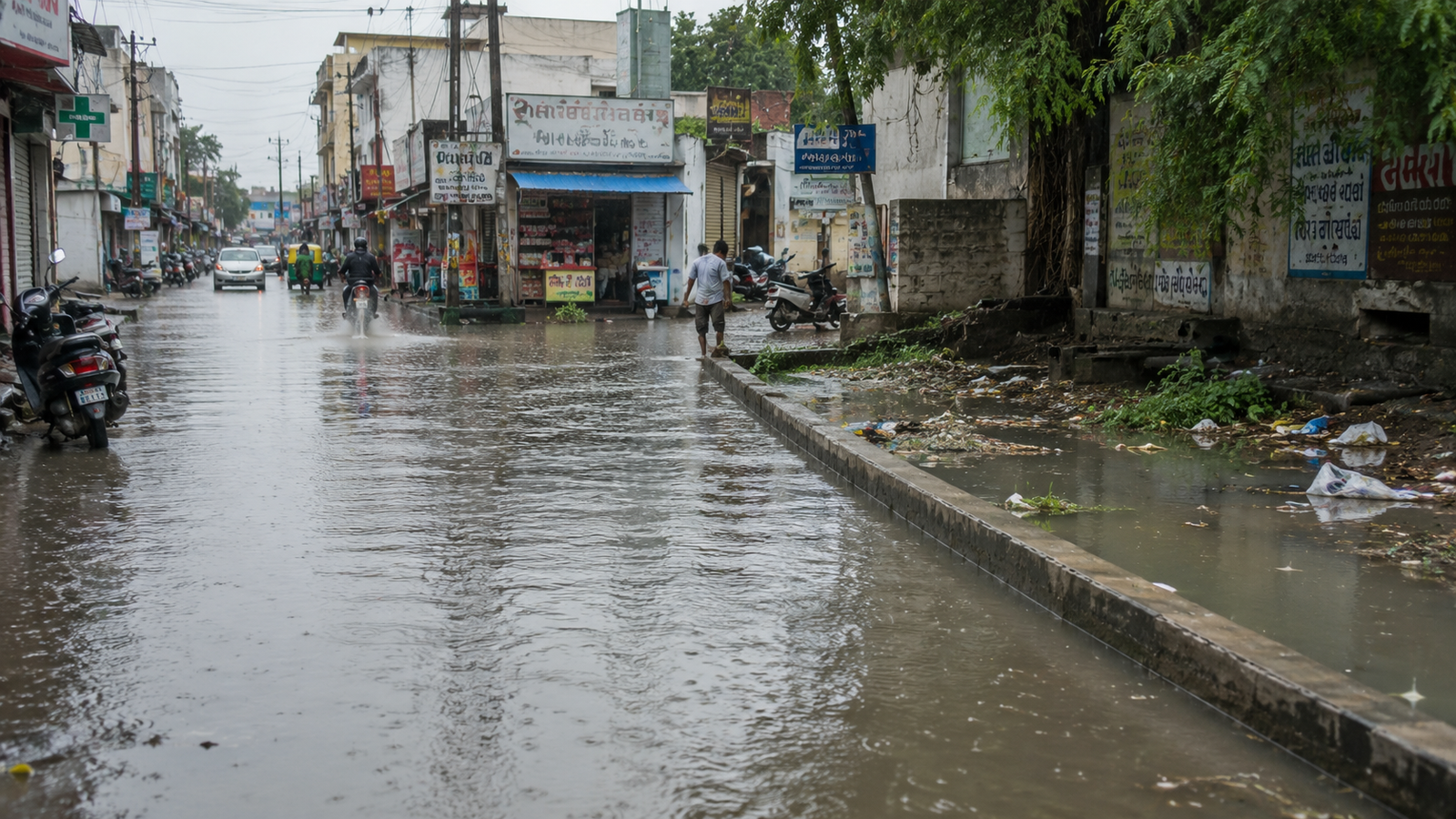
Waterlogged streets and standing water aren’t just inconvenient - they’re a direct infection risk. Wading through dirty water with even a small, unnoticed cut gives bacteria a straightforward path in. Minor scrapes that would heal uneventfully in dry conditions become entry points during monsoon, which is exactly why cellulitis cases climb during this season.
Recognizing a Cellulitis Skin Infection Before It Spreads
Watch for redness and warmth that spreads rather than staying contained, swelling, fever, and red streaking extending from the affected area. Red streaking in particular is a sign the infection is moving through the lymphatic system and needs immediate attention, not a wait-and-see approach.
Why “Wait and Watch” Is the Wrong Call
Untreated cellulitis doesn’t stay put. It can progress to sepsis, a body-wide infection response that becomes a medical emergency. The difference between a fast recovery and a hospital admission often comes down to how quickly treatment starts, which is why symptoms that are spreading or worsening should never be managed by waiting it out at home.
Cellulitis vs. a Normal Skin Irritation
| Feature | Normal Skin Irritation | Cellulitis |
|---|---|---|
| Spread pattern | Stays localized | Spreads outward, often hour to hour |
| Fever / feeling unwell | Absent | Often present |
| Course without treatment | Improves within a day or two | Gets worse, not better |
| Red streaking | Not present | Possible - sign of spreading infection |
If redness is expanding hour to hour, that’s the signal to stop watching and start treating.
Who’s Most at Risk
Diabetics face higher risk because poor circulation and slower wound healing let infections take hold more easily - a pattern our endocrinology team sees regularly in patients with unmanaged blood sugar. People with existing skin conditions, and anyone working in waterlogged or agricultural areas where cuts go unnoticed, are also more exposed. Patients already managing chronic conditions through rheumatology care - especially those on immunosuppressive medication - should treat any spreading redness as urgent rather than borderline, since a weakened immune response can let a cellulitis skin infection progress faster than usual.
Don’t Wait Out a Cellulitis Skin Infection
If you’re seeing spreading redness, warmth, swelling, fever, or red streaking, this is not a symptom to monitor at home. A cellulitis skin infection responds well to prompt treatment but can escalate quickly without it. Swasthya Hospital’s infectious disease team treats cellulitis directly - if you’re diabetic or immunocompromised, that urgency is even higher. Book care now, not after symptoms worsen.
Don’t Let a Skin Infection Turn Into an Emergency
Swasthya Hospital's infectious disease team diagnoses and treats cellulitis in Gandhidham, Kutch - with coordinated care for diabetic and rheumatology patients.
Book an Infectious Disease ConsultationFrequently Asked Questions
What causes cellulitis?
Cellulitis is usually caused by Streptococcus or Staphylococcus bacteria entering through cuts, insect bites, or cracks from an untreated fungal infection. Once inside, the bacteria spread through deeper skin tissue rather than staying on the surface.
Why does monsoon increase cellulitis risk?
Wading through waterlogged or dirty streets exposes minor, unnoticed cuts to bacteria that thrive in standing water. Scrapes that would normally heal without issue become infection entry points during monsoon season.
How is cellulitis different from a normal skin irritation?
A skin irritation stays localized and improves within a day or two without fever. Cellulitis spreads outward, often comes with fever, and worsens without treatment rather than resolving on its own.
Can cellulitis really turn into sepsis?
Yes, if left untreated. Cellulitis can progress from a localized skin infection into a body-wide infection response called sepsis, which is a medical emergency requiring immediate hospital care.
Why are diabetics at higher risk from cellulitis?
Diabetes causes poor circulation and slower wound healing, which makes it easier for bacteria to take hold and harder for the body to fight the infection off. This makes prompt treatment especially important for diabetic patients.
When should I see a doctor for a skin infection?
See a doctor immediately if redness is spreading, accompanied by warmth, swelling, fever, or red streaking from the area. These signs mean the infection is progressing and needs treatment, not observation.
External sources referenced:
Mayo Clinic - Cellulitis: Symptoms & Causes