
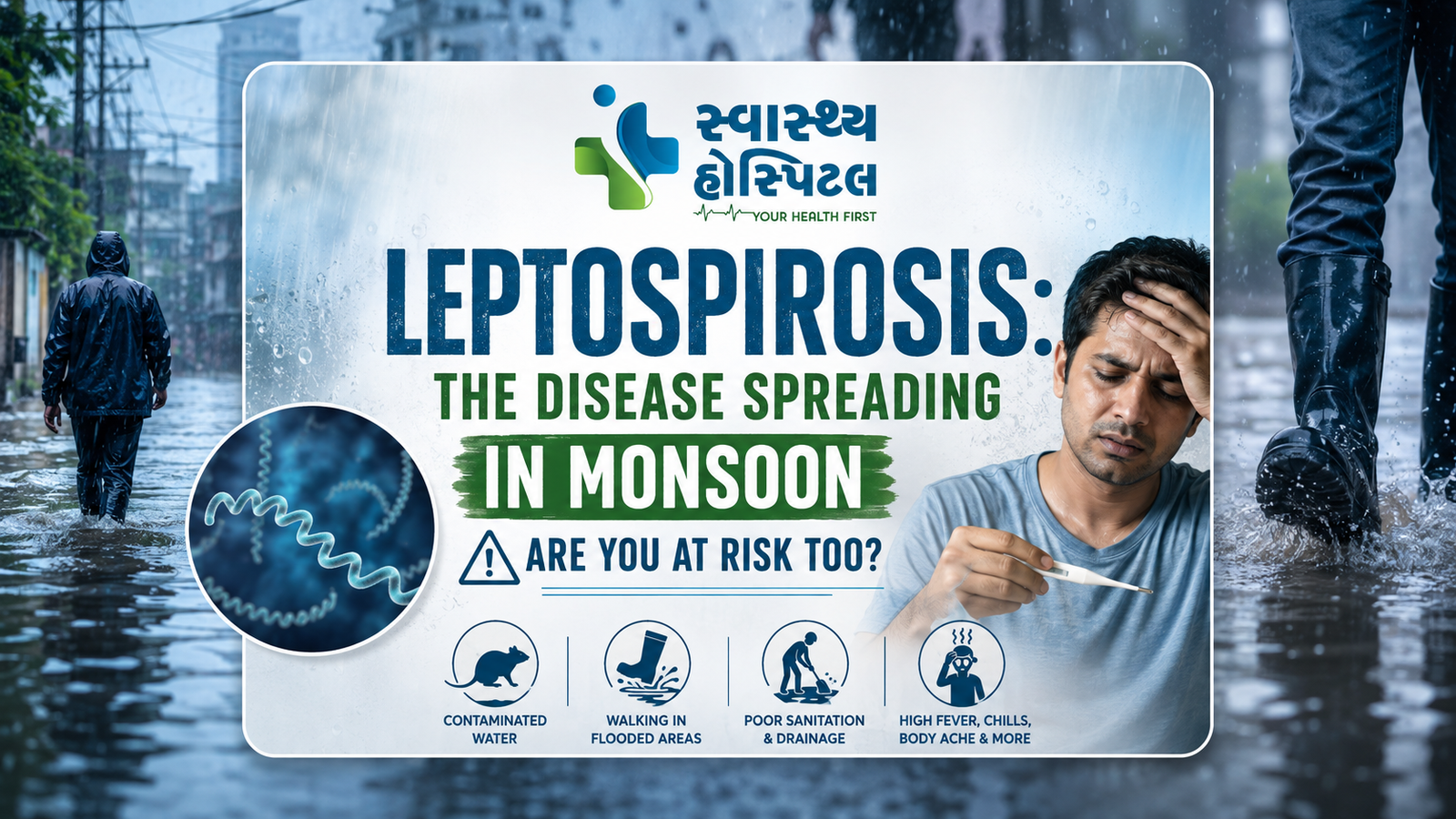
Leptospirosis: The Disease Spreading in Monsoon — Are You at Risk Too?
Leptospirosis spreads through floodwater and mimics viral fever. Know the real symptoms, who is most at risk, and when to get tested.
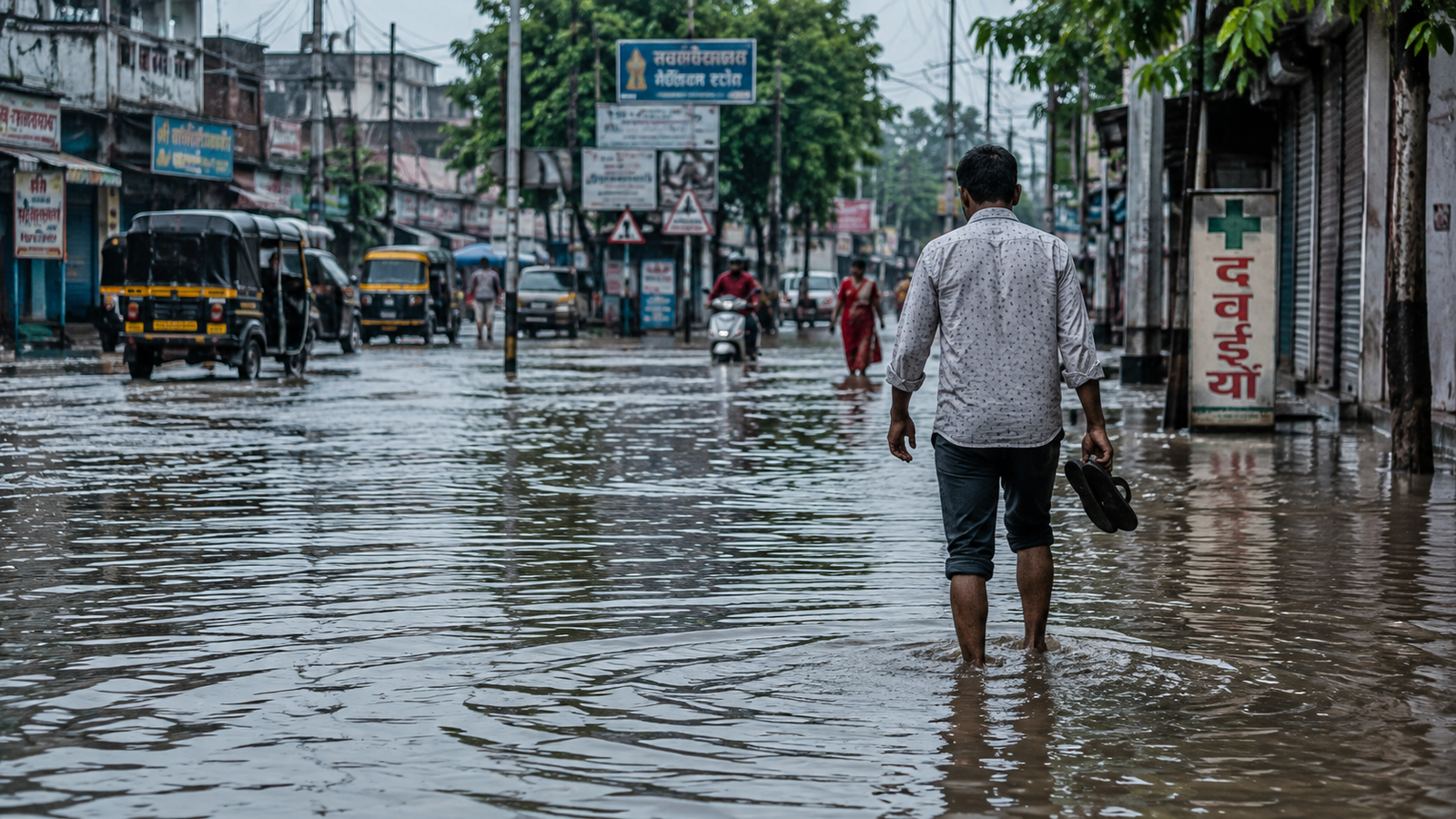
In early July 2026, Mumbai's civic body (BMC) issued a health advisory urging anyone who walked through waterlogged streets or stagnant rainwater with cuts or scratches to seek treatment within 24 to 72 hours. Leptospirosis is the reason why, and the exposure conditions behind it aren't unique to Mumbai.
What Leptospirosis Actually Is
Leptospirosis is a bacterial infection spread through water or soil contaminated with the urine of infected animals, most often rats. The bacteria enter the body through cuts, scrapes, or mucous membranes like the eyes or mouth, which is why something as small as a scratch on the foot matters during monsoon. Suspected cases fall under infectious disease care, where testing and treatment need to start quickly.
Why Mumbai's Advisory Applies to Kutch Too
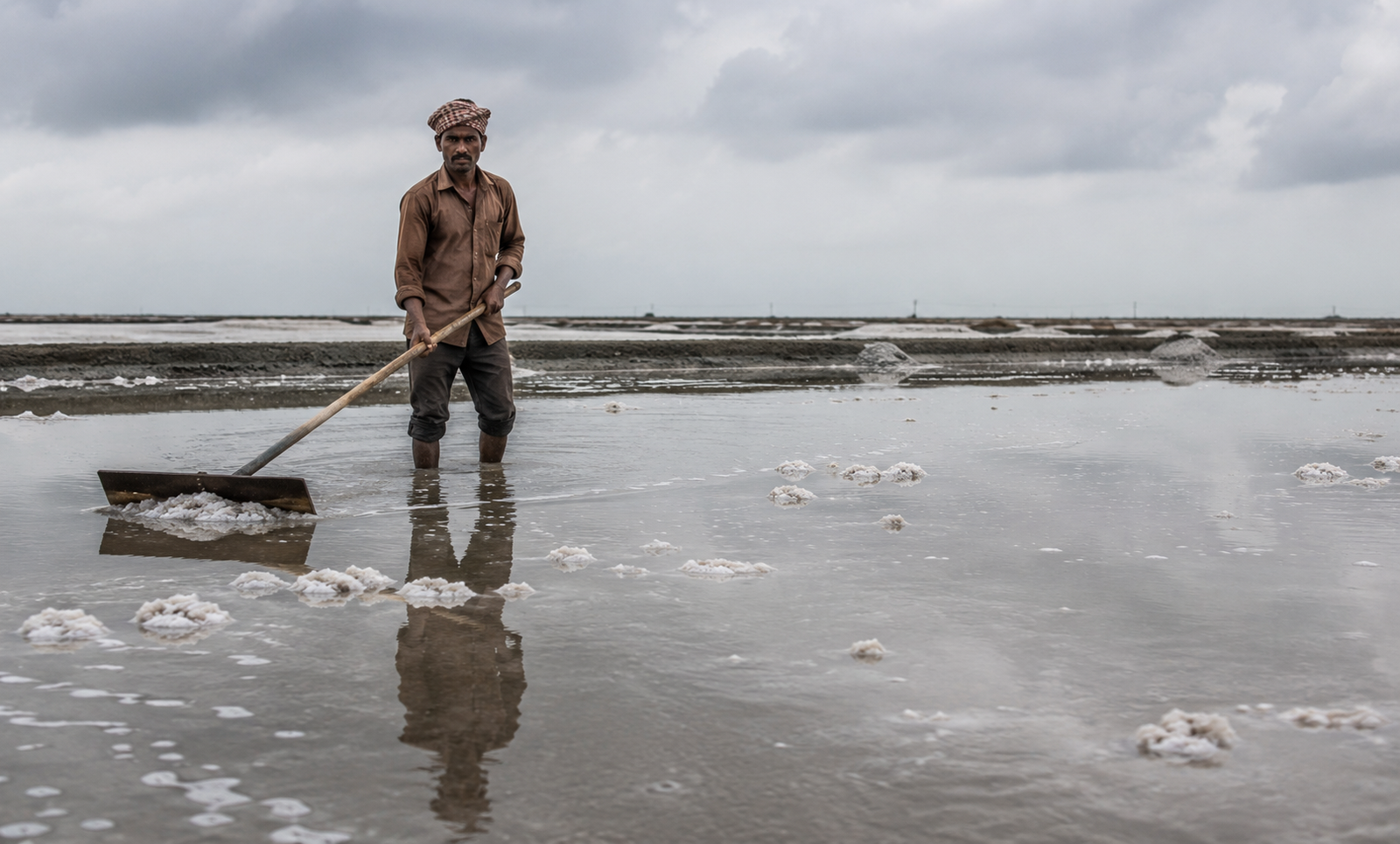
Mumbai's advisory came in response to widespread waterlogging and a rise in monsoon-linked disease cases city-wide. Kutch faces the same underlying exposure, just in different settings — salt-pan workers standing in brackish water for hours, farmers working flooded fields, and anyone wading through waterlogged streets after heavy rain all share the same risk profile as the conditions Mumbai just flagged.
Symptoms That Get Mistaken for "Just Viral Fever"
High fever, severe muscle pain (especially in the calves), headache, and red eyes are the classic early symptoms, with jaundice appearing in more severe cases. On their own, these read like a typical monsoon viral fever, which is exactly the problem.
Why Early Misdiagnosis Delays Treatment
Because the early symptoms overlap so closely with common viral fever, leptospirosis frequently gets treated with rest and fluids while the underlying infection progresses untreated. The gap between "probably just viral" and an accurate diagnosis is where the disease does most of its damage.
Leptospirosis vs. Viral Fever: Spotting the Difference
| Factor | Typical Viral Fever | Leptospirosis |
|---|---|---|
| Muscle pain | Mild, general body ache | Severe, often concentrated in calves |
| Eyes | Usually unaffected | Redness common |
| Progression | Improves within days | Can worsen, including jaundice |
| Recent floodwater exposure | Not a factor | Key risk indicator |
When It Turns Serious
Untreated leptospirosis can progress to kidney failure, liver damage, and pulmonary hemorrhage. This is what separates it from a minor monsoon bug — the complications are organ-level and can become life-threatening without timely treatment.
High-Risk Reminder
Patients already managing kidney disease, or on immunosuppressive treatment through rheumatology care, face a higher risk of severe complications from leptospirosis. If you fall into either group and have had floodwater exposure with any cut or scratch, don't wait out the fever — get tested promptly.
Prevention That Actually Reduces Risk
- Avoid wading through stagnant or flood water if you have any open wound
- Wear protective footwear like rubber boots when water contact is unavoidable
- Don't consume food or water that's been exposed to floodwater
These are small habits with a direct effect on exposure risk.
Recent Floodwater Exposure and Fever? Don't Wait
If you've been in waterlogged streets, flooded fields, or standing water with any cut or scratch, and you're now running a fever, treat it as a leptospirosis possibility, not automatically "just viral." Swasthya Hospital's infectious disease team can test and start treatment within the window that matters most. Book a consultation now if you fall into a high-exposure group.
Floodwater Exposure and a Fever You Can't Explain?
Swasthya Hospital's infectious disease team offers timely testing and treatment for leptospirosis in Gandhidham, Kutch.
Book an Infectious Disease ConsultationFrequently Asked Questions
What is leptospirosis and how do people get it?
Leptospirosis is a bacterial infection spread through water or soil contaminated with infected animal urine, usually from rats. It enters the body through cuts, scrapes, or mucous membranes, which is why floodwater exposure with any open wound is a risk factor.
What are the early symptoms of leptospirosis?
High fever, severe muscle pain especially in the calves, headache, and red eyes are the classic early signs. Jaundice can appear in more severe cases as the infection progresses.
Why does leptospirosis get mistaken for viral fever?
The early symptoms closely resemble a typical monsoon viral fever, so it often gets treated with rest rather than tested. This overlap is the main reason treatment gets delayed.
Can leptospirosis become life-threatening?
Yes. Untreated cases can progress to kidney failure, liver damage, and pulmonary hemorrhage, all of which are serious, organ-level complications requiring urgent care.
Are salt-pan workers and farmers really at higher risk?
Yes. Prolonged contact with brackish water or flooded fields creates the same exposure conditions linked to leptospirosis outbreaks elsewhere, making these groups a genuine priority for prevention and early testing.
How can I protect myself during monsoon?
Avoid wading through stagnant or floodwater with any open wound, wear protective footwear when contact is unavoidable, and don't consume food or water exposed to floodwater. These basics meaningfully reduce exposure risk.