
Adult Vaccination in India: Why Immunization Doesn't End at Childhood
Adult vaccination in India matters most after 40, especially with diabetes, heart, or lung conditions. Learn what to get, when, and why.
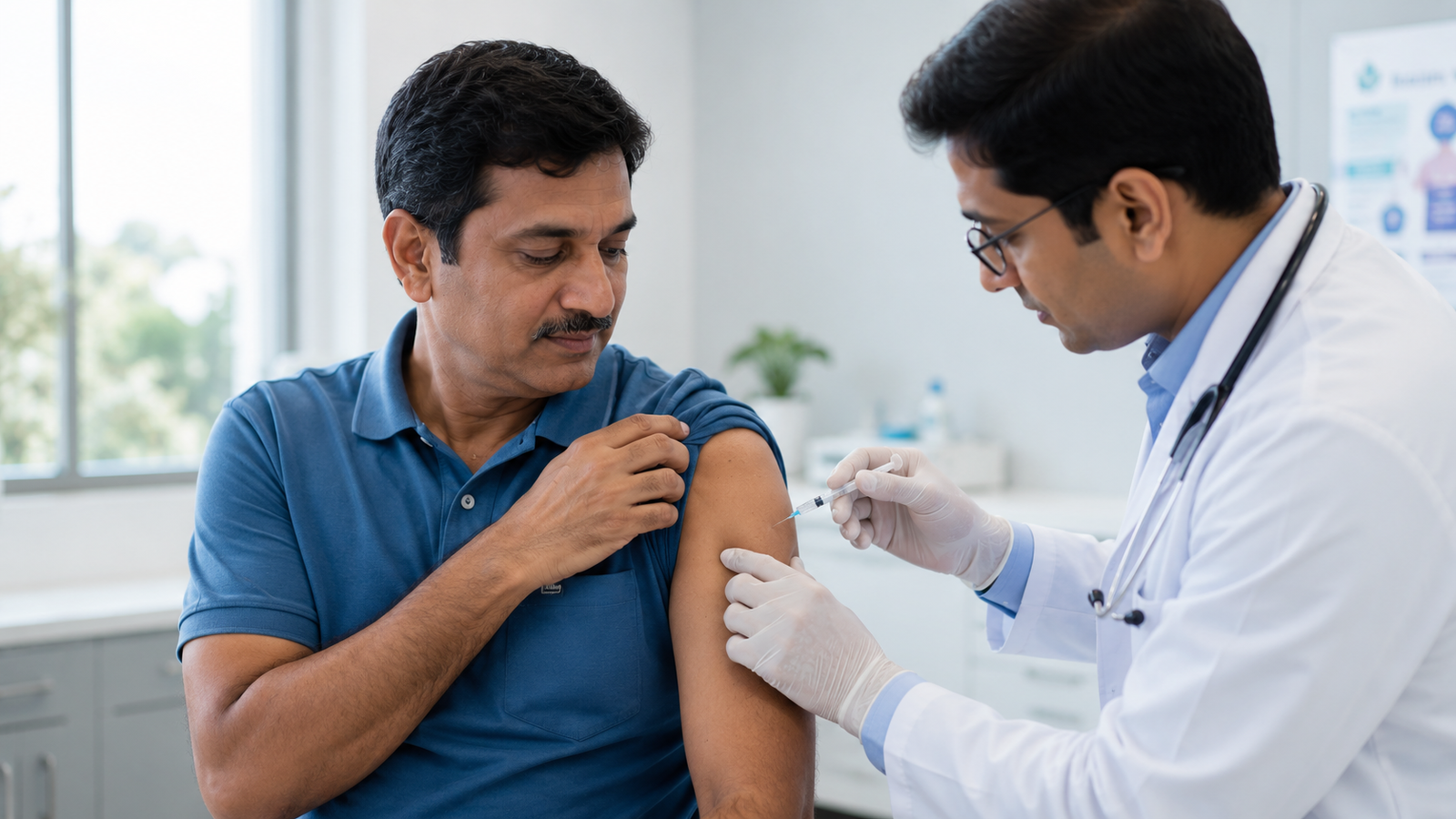
Vaccines aren't something you outgrow. Adult vaccination in India is especially relevant after 40, when chronic conditions and age start raising the risk of severe complications from preventable illness.
The "Vaccines Are for Kids" Myth, Reframed
Childhood immunization gets most of the attention, but immunity from many vaccines fades over time, and new risks emerge with age. Two vaccines matter most for adults: the swine flu (H1N1) vaccine and the pneumococcal vaccine. Neither is optional if you fall into a higher-risk group, and both are easy to overlook simply because no one prompts adults to think about them. India's own Association of Physicians of India consensus guidelines on adult immunization now formally recommend structured vaccination for adults, not just children.
Swine Flu (H1N1) Vaccine: Who Needs It and When
The H1N1 vaccine is recommended annually for diabetics, adults over 60, people with chronic lung or heart disease, and healthcare workers with regular patient exposure. It's an annual vaccine, not a one-time shot, because flu strains shift year to year. The World Health Organization similarly recommends annual vaccination for high-risk groups, including the elderly, healthcare workers, and people with chronic conditions. Timing it before flu season starts gives your immune response time to build before exposure risk rises.
Pneumococcal Vaccine: More Than Just Pneumonia Protection
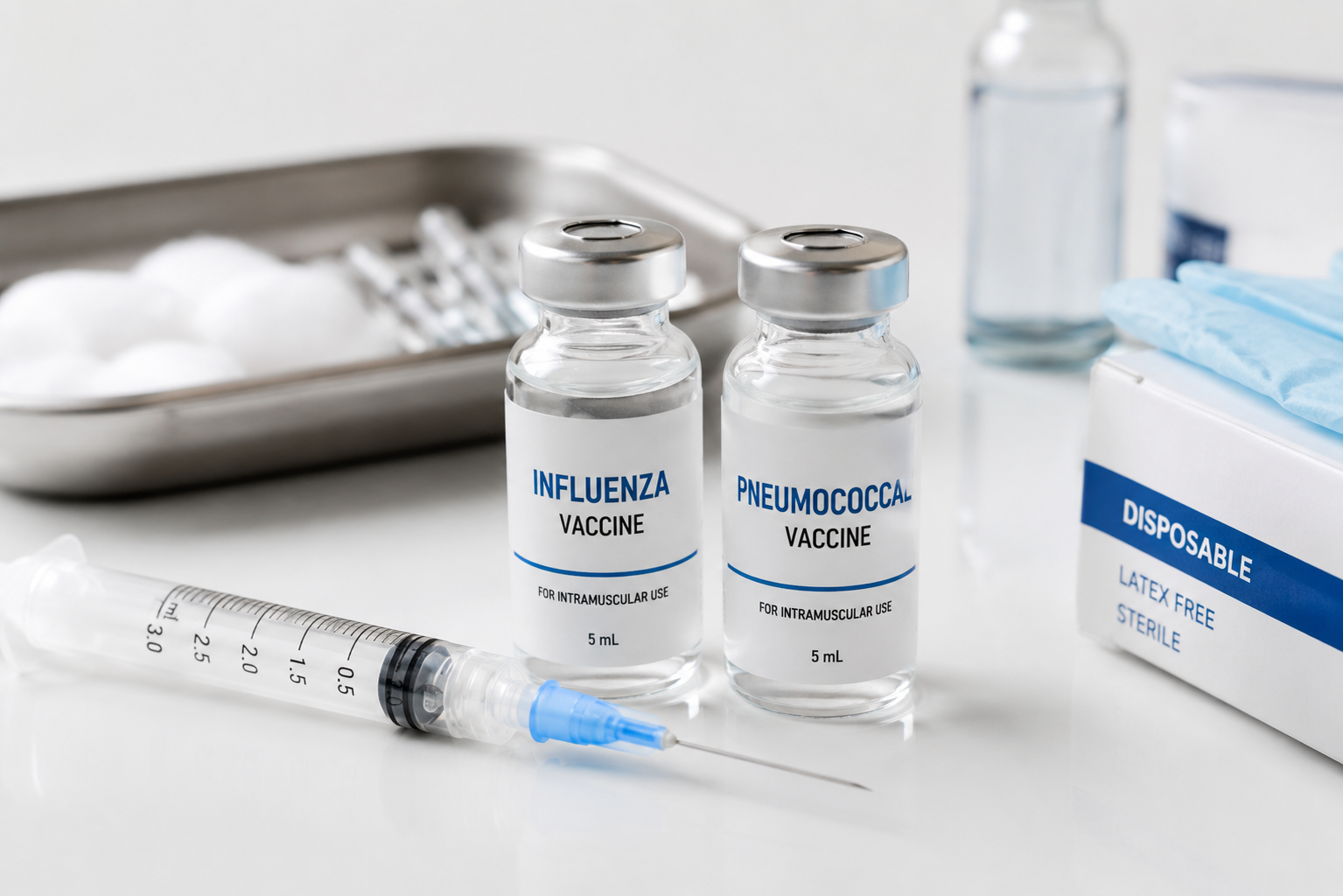
Pneumococcal disease doesn't stop at pneumonia — it can cause meningitis and bloodstream infections too. According to the CDC, chronic conditions such as heart disease, lung disease, and diabetes meaningfully raise the risk of severe pneumococcal disease. The vaccine is especially critical for adults with COPD or asthma and anyone over 65, whose lungs and immune systems are already working harder against everyday infections.
Why Chronic Conditions Raise the Stakes
Diabetes, chronic kidney disease, and heart disease don't just coexist with infection risk — they compound it. Adults managing these conditions face a higher chance of severe complications if they catch a vaccine-preventable illness, which is exactly why vaccination status deserves the same attention as blood sugar or blood pressure checks.
Getting the Schedule Right: One-Time or Annual?
| Vaccine | Who Needs It Most | Frequency |
|---|---|---|
| Swine Flu (H1N1) | Diabetics, adults 60+, chronic lung/heart disease, healthcare workers | Annual |
| Pneumococcal | COPD/asthma patients, adults 65+, high-risk chronic conditions | Typically one dose, with a booster sometimes advised for high-risk adults |
High-Risk Reminder
If you're managing diabetes, heart disease, chronic lung disease, or kidney disease through ongoing specialist care, ask about your vaccination status at your next visit rather than treating it as a separate task. It's part of managing the underlying condition, not an add-on to it.
Timing It Right Around Monsoon and Flu Season
Respiratory infections tend to spike with monsoon and the following flu season. Getting vaccinated a few weeks ahead of that window, rather than after symptoms are already circulating locally, gives the vaccine time to take effect before exposure risk peaks.
Talk to the Right Specialist Before You Skip It
If you're managing diabetes, heart disease, COPD, or kidney disease, adult vaccination in India isn't a "someday" item — it's part of managing your condition. Swasthya Hospital's specialists can confirm which vaccines apply to your specific health profile and when to schedule them. Book a consultation before this season's window closes.
Not Sure Which Vaccines You Actually Need?
Swasthya Hospital's specialists can review your health profile and confirm the right adult immunization schedule for you in Gandhidham, Kutch.
Book a ConsultationFrequently Asked Questions
Do adults really need vaccines after childhood?
Yes. Immunity from childhood vaccines fades over time, and adults face new risks as they age. Adult vaccination in India, particularly for flu and pneumococcal disease, is especially important after 40.
Who should get the swine flu vaccine every year?
Diabetics, adults over 60, people with chronic lung or heart disease, and healthcare workers with regular patient exposure should get it annually. Flu strains change yearly, so the vaccine needs to be repeated.
Is the pneumococcal vaccine only for pneumonia?
No. It also protects against meningitis and bloodstream infections caused by pneumococcal bacteria. It's especially important for adults with COPD, asthma, or those over 65.
Why are diabetics and heart patients at higher risk?
Chronic conditions like diabetes, heart disease, and kidney disease weaken the body's ability to fight infection effectively. This makes complications from vaccine-preventable illness more likely to become severe.
Is the pneumococcal vaccine a one-time shot?
Usually yes, though some high-risk adults are advised to get a booster later. A doctor can confirm which schedule applies based on age and health conditions.
When is the best time to get vaccinated?
A few weeks before monsoon and flu season gives the vaccine time to build protection before infection risk rises locally. Waiting until symptoms are already circulating reduces how much protection you get in time.