
Do You Need Prebiotics or Probiotics? What They Actually Do
Most people with a varied, fibre-rich diet already get what these supplements claim to offer - but a few specific situations genuinely call for one.
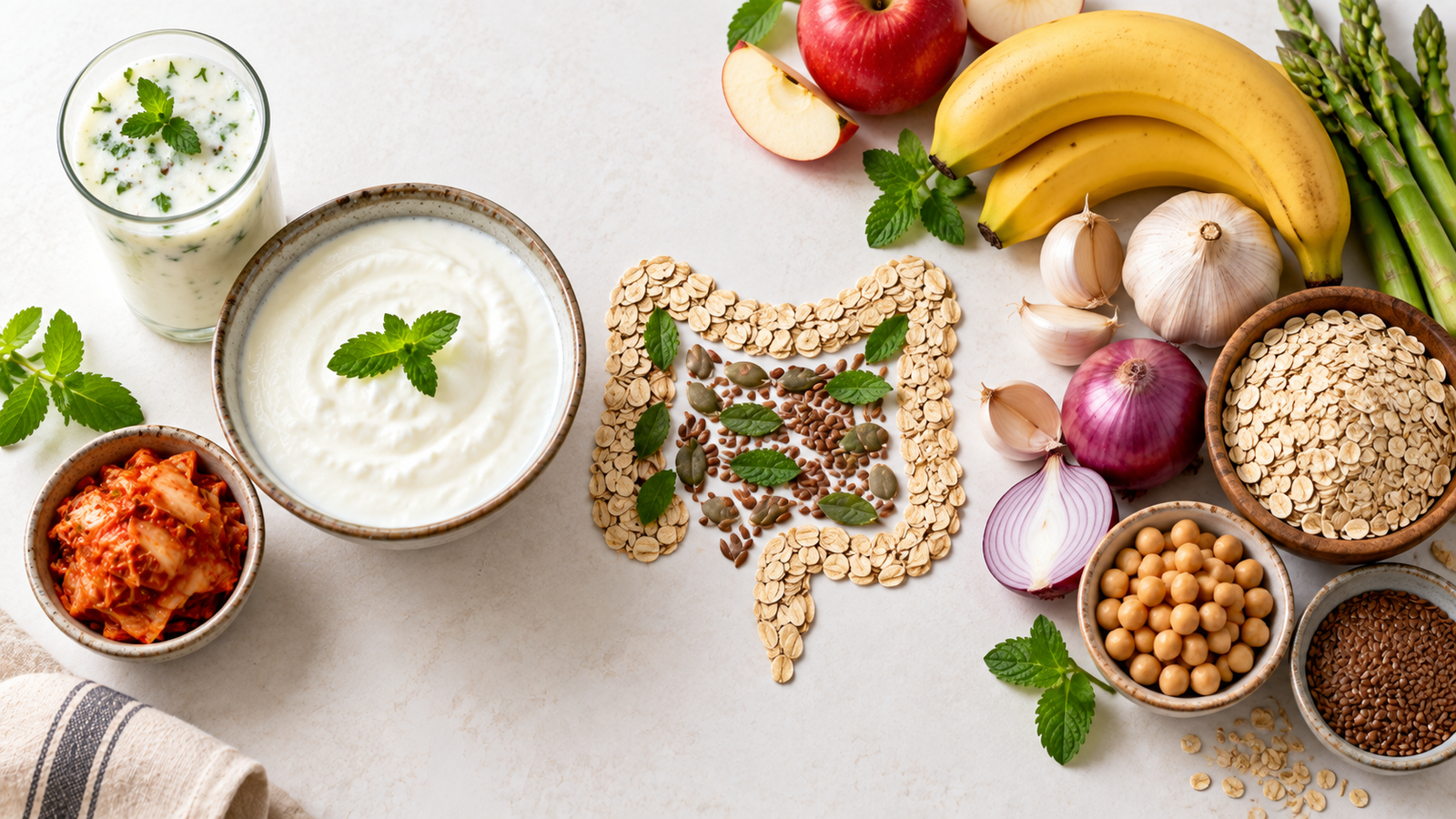
Most people don't need a prebiotic or probiotic supplement if their diet is already varied and fibre-rich - everyday foods like curd, buttermilk, and vegetables already supply much of what these products claim to offer. Some people do genuinely benefit from a targeted probiotic, but it depends on the situation, not a blanket recommendation. Here's the real difference between the two, who actually benefits from supplementing, and how to tell if food alone is already doing the job.
What's the Actual Difference Between Prebiotics and Probiotics?
The distinction is simpler than the marketing makes it sound. Probiotics are live microorganisms - specific strains of bacteria or yeast - that, when consumed in adequate amounts, can benefit your gut bacteria and overall digestive health. Prebiotics, on the other hand, aren't living organisms at all; they're types of fibre that your body can't digest but that feed the beneficial bacteria already living in your gut. In short: probiotics add bacteria, prebiotics feed the bacteria you already have. The two work together - a probiotic without enough prebiotic fibre in your diet has less to "eat" and thrive on. Your gut bacteria don't just respond to diet, either - how stress affects your gut is a closely related factor worth understanding alongside this one.
Does Everyone Need a Probiotic or Prebiotic Supplement?
No - most people with a varied, fibre-rich diet get sufficient prebiotic and probiotic exposure through food and don't need a standalone supplement. The foundational definition of a probiotic, set by the Joint FAO/WHO Expert Consultation in 2001, describes them as "live microorganisms which, when administered in adequate amounts, confer a health benefit on the host" - a deliberately narrow definition that doesn't imply everyone needs one to be healthy. In fact, the American Gastroenterological Association's 2020 clinical practice guideline found insufficient evidence to recommend probiotic supplements for most common digestive complaints in the general population, reserving its specific, positive recommendations for a small number of defined situations (Su GL, Ko CW, Bercik P, et al., Gastroenterology, 2020). That's a meaningfully different message than what most supplement marketing implies.
Who Actually Benefits From Taking Them?
Specific situations where a probiotic can genuinely help - usually best discussed with a doctor rather than picked off a shelf - include:
Situations Where a Probiotic Can Genuinely Help
- After a course of antibiotics, which can disrupt your normal gut bacteria and cause diarrhoea; certain probiotic strains have evidence for reducing this risk
- During an active IBS flare, under medical guidance, as part of a broader management plan rather than a standalone fix
- Inflammatory bowel disease (IBD) management, in specific circumstances your gastroenterologist identifies - this is not a self-directed decision
- Specific doctor-recommended cases, such as pouchitis following certain bowel surgeries, where evidence for a defined probiotic approach is stronger
Outside these situations, the evidence for routine probiotic use is much weaker than general wellness marketing suggests.
Can You Get Enough From Food Alone?
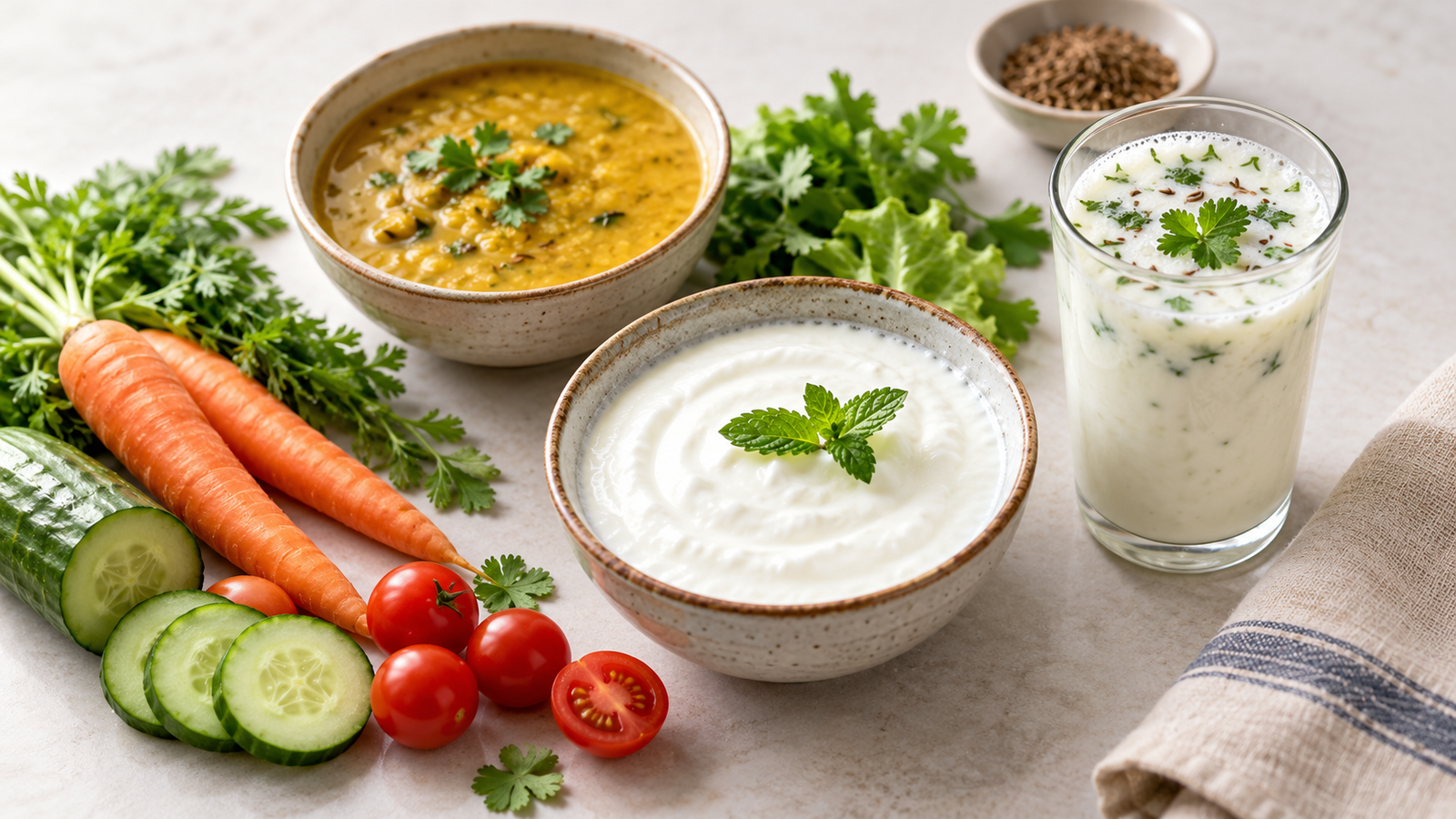
For most people, yes. A Gujarati diet already includes some of the best everyday sources of both prebiotics and probiotics without needing a supplement bottle at all. Chaas (buttermilk) and dahi (curd) are naturally fermented and contain live bacterial cultures, functioning as everyday probiotics. Fermented batters used for foods like dhokla and idli also involve bacterial fermentation. On the prebiotic side, fibre-rich vegetables, legumes (dals), whole grains, and traditional pickles all feed the beneficial bacteria already in your gut. Eating a variety of these regularly does more for your gut bacteria, day to day, than most single-strain supplement capsules.
Are There Any Risks or Side Effects?
Probiotics and prebiotics are generally well tolerated, but they aren't entirely risk-free. Mild bloating, gas, or a temporary change in bowel habits are the most common side effects, especially when starting a new prebiotic fibre source or probiotic strain. More rarely, people who are immunocompromised or seriously ill should be cautious with live-culture probiotic supplements, since there have been isolated reports of infection risk in this specific group - a reason to check with a doctor first if you fall into this category, rather than a reason for the general population to avoid fermented foods.
How Do You Choose a Probiotic If You Need One?
If a doctor has recommended a probiotic for a specific reason, strain-specific evidence matters far more than the CFU (colony-forming unit) count printed prominently on the label. Different probiotic strains have been studied for different conditions, and a high CFU count on a strain with no evidence for your situation isn't more effective - it's just a bigger number. The more useful approach is to ask your doctor which strain has evidence for your specific concern, rather than choosing based on marketing claims or price.
When Should You See a Gastroenterologist Instead of Self-Treating With Supplements?
If you have persistent bloating, diarrhoea, or IBS-type symptoms that continue for weeks despite dietary changes and self-directed probiotic use, it's time to see a gastroenterologist rather than trying another supplement. Ongoing digestive symptoms can have several underlying causes, and a probiotic bought without a specific diagnosis in mind is unlikely to resolve a problem it wasn't chosen to address.
Frequently Asked Questions
Can you take prebiotics and probiotics together?
Yes - in fact, they work best together, since prebiotic fibre feeds the probiotic bacteria you're consuming, helping them establish more effectively in your gut.
Do probiotics help with antibiotic-related diarrhoea?
Certain probiotic strains do have evidence for reducing the risk of diarrhoea associated with antibiotic use. Ask your doctor about a specific strain when starting a course of antibiotics if this is a concern for you.
Is curd/dahi as good as a probiotic supplement?
For general gut health in most people, yes - homemade curd with live cultures is a genuine everyday probiotic source. A supplement may be more appropriate only for a specific, doctor-identified condition requiring a particular studied strain.
How long before probiotics start working?
Most people notice any effect within a few days to a couple of weeks of consistent use. If there's no change after several weeks, or if symptoms worsen, stop and consult a doctor rather than continuing indefinitely.
Ongoing Digestive Symptoms? Get a Proper Evaluation
If digestive symptoms like bloating, irregular bowel habits, or discomfort persist beyond dietary changes, it's worth getting checked rather than cycling through supplements. Our gastroenterology department can help identify what's actually going on - our IBS and gut-friendly diet guide and fibre and digestive regularity guide are useful next reads.
Book a Consultation in AdipurSources: FAO/WHO. "Health and Nutritional Properties of Probiotics in Food Including Powder Milk with Live Lactic Acid Bacteria." Report of a Joint FAO/WHO Expert Consultation, Córdoba, Argentina, 2001. And Su GL, Ko CW, Bercik P, et al. "AGA Clinical Practice Guidelines on the Role of Probiotics in the Management of Gastrointestinal Disorders." Gastroenterology. 2020;159(2):697-705.