The Victory Lap: When the Crowd Roared… and Reality Hit
By Dr. Devansh Khandol
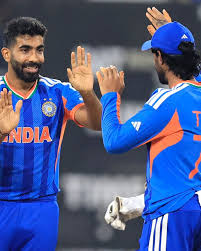
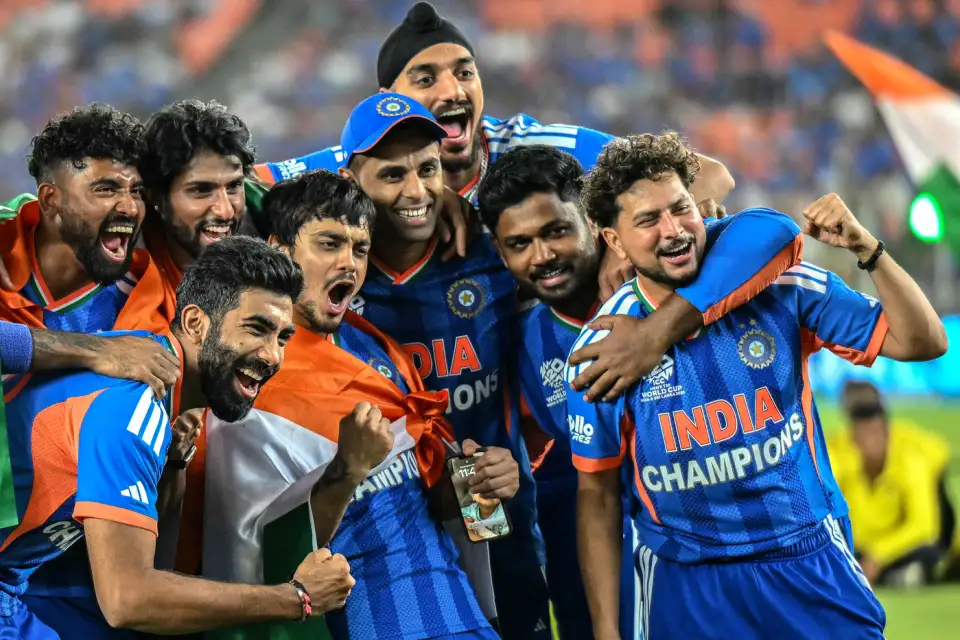
If you’re an Indian cricket fan, you probably still remember the adrenaline rush of the 2026 T20 World Cup final against New Zealand. The stadium was electric, the commentators were losing their voices, and the nation was holding its breath. India defended the title with fearless cricket—high risk, high reward—and a bowling masterclass that had fans jumping off their couches.
The heroes? A lethal spell from Jasprit Bumrah, clutch moments from Samson, and a team that refused to let the pressure get to them.
But here’s a thought: your 30s are exactly like those middle overs in a T20 match.
In cricket, the middle overs are where matches are quietly won or disastrously lost. If you build partnerships, rotate strike, and avoid reckless shots, you set up the game beautifully.
If you lose focus… wickets tumble.
Similarly, your 30s are the middle overs of life. Your metabolism slows a little, your responsibilities increase, and suddenly your body starts sending subtle reminders that you’re not in your carefree 20s anymore.
If you defend your health well now, you’ll cruise toward a strong finish.
If you ignore the warning signs… lifestyle diseases might bowl you out cheaply.So let’s break down the ultimate T20 strategy for health in your 30s.
Every cricket team needs a match-winning bowler, and in the world of medicine, Cardiology plays that role.Your heart is basically the Jasprit Bumrah of your body—quiet, efficient, and capable of delivering life-saving yorkers when needed.
But here’s the catch: even Bumrah needs fitness, recovery, and conditioning to keep delivering those deadly overs.
In your 30s, your heart faces increasing pressure from stress, sedentary work, irregular sleep, and unhealthy food habits. If you don’t maintain precautionary fitness, and watch your Heart Health with 2D Echocardiography, then your cardiovascular health can slowly slip.
Here’s how to keep your strike rate (heart rate) in the healthy zone:
1. Cardio is your power weapon
At least 150 minutes of moderate exercise per week—brisk walking, cycling, swimming, or even dancing—keeps the heart strong.
2. Watch the extras
Too much salt, processed food, and sugar increase your risk of Hypertension, one of the most common lifestyle diseases.
3. Fitness > six-pack
You don’t need to look like a fitness influencer. Consistency matters more than aesthetics. Think of cardio workouts as your Bumrah yorkers—accurate, consistent, and game-changing.
In T20 cricket, the powerplay overs set the tone for the innings. If your openers struggle, the entire batting lineup feels the pressure.
Similarly, in medicine, Gastroenterology teaches us that Gut Health controls more of your body than you realize.
Your gut affects:
Digestion
Immunity
Mood
Metabolism
Energy levels
So if your gut health isn’t right, your whole innings collapses like a batting lineup on a tricky pitch.
Avoid these common digestive “unforced errors”
Skipping meals
Your gut prefers routine.
Too much junk food
Your gut microbiome hates ultra-processed foods.
Low fiber intake
Fiber is like the strike rotation of digestion—it keeps everything moving.
The gut-friendly playing XI
Include these regularly:
Fruits and vegetables
Whole grains
Fermented foods like curd and buttermilk
Nuts and seeds
Adequate water
When your gut microbiome is balanced, digestion runs smoothly and inflammation reduces.
In cricket terms, a healthy gut builds the perfect opening partnership for your body.
Modern cricket has taught us something important: fielding wins matches.
Players dive, sprint, and throw with precision.
But imagine trying to dive like Ravindra Jadeja when your knees sound like a bag of popcorn.
That’s where Rheumatology comes in.
This branch of medicine focuses on joints, bones, and autoimmune conditions.
Many people think joint issues happen only in old age. But the truth is that joint health starts declining in your 30s, especially if you:
Sit for long hours
Have low vitamin D
Avoid strength training
Gain excess weight
Joint-care tips for the middle overs
Strength training twice a week
Muscles support joints.
Maintain healthy body weight
Every extra kilogram increases stress on knees.
Vitamin D and calcium intake
Crucial for bone density in both men and women.
Stay active throughout the day
Even small movements help.
You don’t need to become an Olympic athlete.
But keeping your joints flexible ensures you can run between the wickets of life without pulling a hamstring.
Lifestyle Diseases: The Heavy Hitters Trying to Destroy Your NRR
Every cricket match has dangerous batsmen who can destroy the scoreboard in minutes.
In medicine, these are called Lifestyle Diseases.
They sneak into your life silently during your 30s and start damaging your long-term health.
The big troublemakers include:
Many people in India develop Diabetes in their 30s due to sedentary lifestyles and high sugar intake.
Symptoms may include:
Increased thirst
Frequent urination
Fatigue
Weight changes
But here’s the scary part: many people have no symptoms at all.
Hypertension – The invisible pressure
Hypertension (high blood pressure) is often called the silent killer.
It damages the heart, brain, and kidneys over time.
Stress, lack of sleep, salty diets, and inactivity all contribute.
Thyroid – The hormonal captain
Your Thyroid gland controls metabolism, weight, mood, and energy.
Thyroid imbalances are especially common in women but can affect men as well.
Symptoms may include:
Unexplained weight gain
Fatigue
Hair loss
Mood changes
Screening is the Ultimate DRS
In cricket, the Decision Review System (DRS) prevents wrong decisions.
In healthcare, preventive screening plays the same role.
Simple tests like:
Blood sugar
Thyroid profile
Lipid profile
Blood pressure check
can detect problems early.
Think of screening as reviewing the umpire’s call before losing your wicket.
Men’s vs Women’s Health: The True All-Rounders
A winning cricket team needs balanced players—batters, bowlers, and all-rounders.
Similarly, health strategies in your 30s must account for differences between men and women.
Women’s Health
Women need extra attention to:
Hormonal balance
Thyroid disorders
Bone density
Iron deficiency
Reproductive health
Regular check-ups and nutrition are crucial for long-term well-being.
Men’s Health
Men often ignore symptoms until the last minute.
Common issues include:
Stress-related problems
Weight gain
Heart risk factors
Early metabolic syndrome
Stress management, fitness, and regular health checks are essential.
Because in real life—just like cricket—every player in the Playing XI matters.
Final Over: Don’t Let Your Metabolism Get Out for a Duck
Your 30s aren’t the end of your youth.
They’re actually the best decade to build long-term health.
Just like Team India defended the World Cup with discipline, strategy, and teamwork, defending your health requires:
Smart nutrition
Regular exercise
Preventive screenings
Stress management
Consistent habits
And remember:
Don’t wait until your body calls for the third umpire—the weighing scale.
Take action early.
Because in the game of life, the goal isn’t just to survive the innings.
It’s to finish strong, raise the bat, and enjoy the applause.
Final Thought
Don’t wait for a “Super Over” to fix your health.
Book a check-up today and start defending your health like a champion. 🏏💙
Reviewed by Dr. Devansh Khandol
MD Physician | Rheumatology | Cardiology | Gastroenterology
Swasthya Hospital

 But here’s a thought: your 30s are exactly like those middle overs in a T20 match.
In cricket, the middle overs are where matches are quietly won or disastrously lost. If you build partnerships, rotate strike, and avoid reckless shots, you set up the game beautifully.
If you lose focus… wickets tumble.
Similarly, your 30s are the middle overs of life. Your metabolism slows a little, your responsibilities increase, and suddenly your body starts sending subtle reminders that you’re not in your carefree 20s anymore.
If you defend your health well now, you’ll cruise toward a strong finish.
If you ignore the warning signs… lifestyle diseases might bowl you out cheaply.
But here’s a thought: your 30s are exactly like those middle overs in a T20 match.
In cricket, the middle overs are where matches are quietly won or disastrously lost. If you build partnerships, rotate strike, and avoid reckless shots, you set up the game beautifully.
If you lose focus… wickets tumble.
Similarly, your 30s are the middle overs of life. Your metabolism slows a little, your responsibilities increase, and suddenly your body starts sending subtle reminders that you’re not in your carefree 20s anymore.
If you defend your health well now, you’ll cruise toward a strong finish.
If you ignore the warning signs… lifestyle diseases might bowl you out cheaply.