
The good news? Diabetes is not a one-way street. With personalized care and proactive strategies, it is possible to reverse pre-diabetes, manage existing diabetes effectively, and prevent severe complications by halting the progress of the disease. At Swasthya Hospital, we are committed to empowering our community in Kutch with the knowledge and tools to take control of their health. Diabetes is a serious health challenge in India, and Kutch is no exception. This chronic condition, characterized by high blood sugar levels, can lead to a host of debilitating complications if not managed effectively.
Understanding the Basics: Is Your “Fuel” Piling Up?
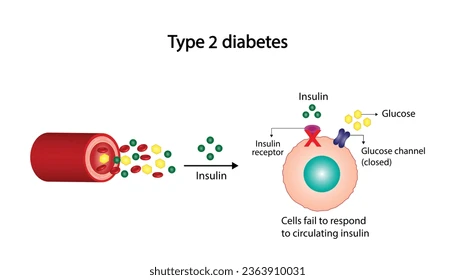
Imagine your body is a car. The food you eat is the fuel (sugar). To get that fuel into the engine (your cells) so you can move and think, you need a key called insulin.
- Pre-diabetes: This is the “warning light.” Your body is struggling to use the fuel, and sugar levels are creeping up. It is the perfect time to act.
- Type 2 Diabetes: The “lock” is jammed. Sugar builds up in your blood because it can’t get into the cells. Over time, this “overflow” of sugar acts like rust, damaging your heart, kidneys, and eyes.
The good news? A jammed lock can often be fixed. At Swasthya Hospital, we specialize in helping you “unstick” your metabolism.
The Silent Threat: Why Early Action Matters
Many people in our community don’t realize they have pre-diabetes or even early-stage diabetes because the symptoms can be subtle. This “silent threat” allows the condition to progress, potentially causing damage to vital organs before a diagnosis is made.
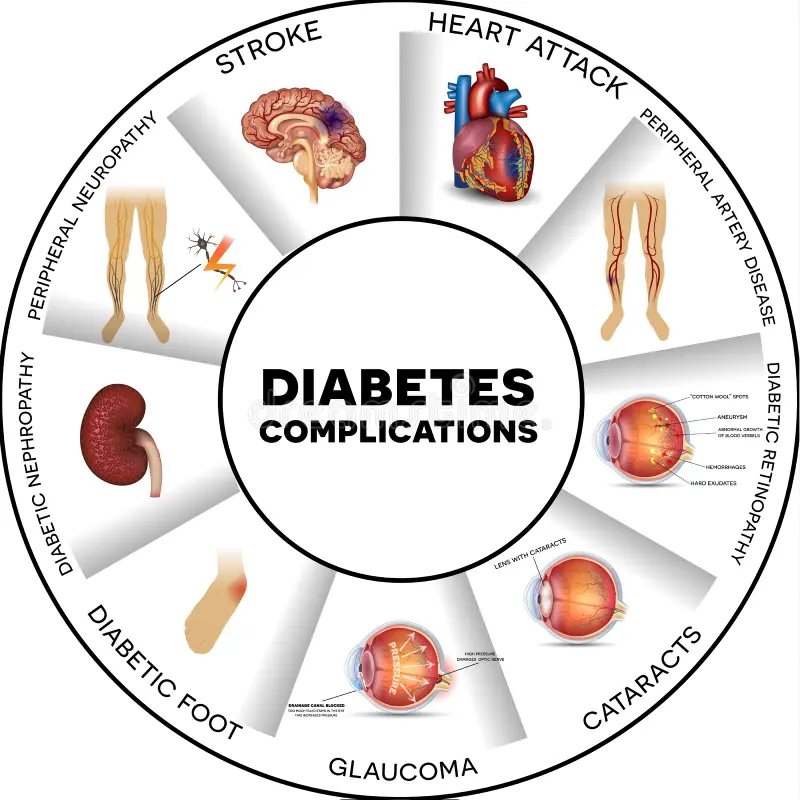
Ignoring the early signs can lead to serious complications such as heart disease, kidney failure, nerve damage, vision problems, and even foot ulcers. The good news is that if caught early, pre-diabetes can often be reversed, and diabetes progression can be significantly slowed or even halted.
Our Approach: Personalized Care That Works
No two people have the same lifestyle, so why should they have the same health plan? We move away from generic advice and focus on what works for you.
- Smart Eating, Not Starvation
We don’t believe in “rabbit food” diets. We teach you how to balance your favorite traditional meals with fiber and protein. This prevents sugar “spikes” while keeping you full and happy. - Movement That Fits Your Day
You don’t need a gym membership to reverse diabetes. A 15-minute brisk walk after every meal or choosing the stairs can be more effective than a grueling workout you only do once a week. - Preventing the “Rust” (Complications)
High sugar is a silent traveler. It can damage nerves and blood vessels without you feeling a thing. We provide regular screenings for your eyes, heart, and feet to ensure that while we work on reversal, your body stays protected.
5 Simple Habits for a Healthier Life
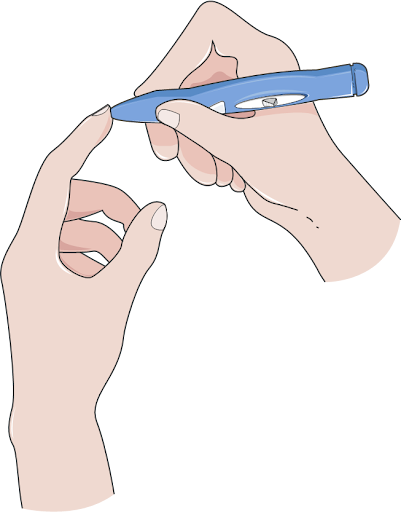
Managing blood sugar doesn’t have to be complicated. Incorporating these five daily habits can make a massive difference in how you feel:-
- The “Fiber First” Rule: Before you eat your main meal (like roti or rice), start with a small bowl of salad or sprouts. The fiber acts like a net, slowing down how fast sugar enters your blood.
- The 10-Minute Post-Meal Stroll: Instead of sitting down immediately after lunch or dinner, take a gentle 10-minute walk. This helps your muscles “soak up” the sugar you just ate.
- Prioritize Consistent Sleep: Lack of sleep makes your body stressed, which naturally pushes blood sugar levels up. Aim for 7–8 hours of restful sleep to keep your hormones balanced.
- Drink Water Before Tea: Many people reach for sweet tea when they are actually just thirsty. Staying hydrated helps your kidneys flush out extra sugar from your system.
- Check Your Feet Daily: Make it a habit to look at the bottom of your feet every night before bed. Catching a small red spot or dry crack early can prevent major complications later.
Common Questions: The Direct Answers You Need
When people visit Swasthya Hospital for the first time, they usually have these exact questions. Here is the direct truth:Q: Can I actually get rid of Type 2 Diabetes?
A: Many people can achieve “remission.” This means your blood sugar levels stay in the normal range without medication. While you will always need to maintain healthy habits, the disease is no longer “active” in your body.
Q: I’m pre-diabetic. Is it too late?
A: No! It is actually the best time to act. Pre-diabetes is a reversible state. By making small changes now, you can prevent full-blown diabetes from ever developing.
Q: Why am I always tired even though I eat enough?
A: Because the sugar (energy) is stuck in your blood and isn’t reaching your cells. It’s like standing outside a locked restaurant while you’re hungry—there is food everywhere, but you can’t get to it. We help you “unlock” those cells.
Q: Do I have to stop eating sugar forever?
A: Not forever, but we do need to “reset” your system. Once your sugar levels stabilize, you can enjoy treats in moderation. It’s about balance, not total deprivation.
Q: Will diabetes make me go blind or lose a foot?
A: Only if left unmanaged. Those complications happen when sugar stays high for years. If you manage your levels through personalized care, the risk of these complications drops significantly.
Q: Why are my feet tingling
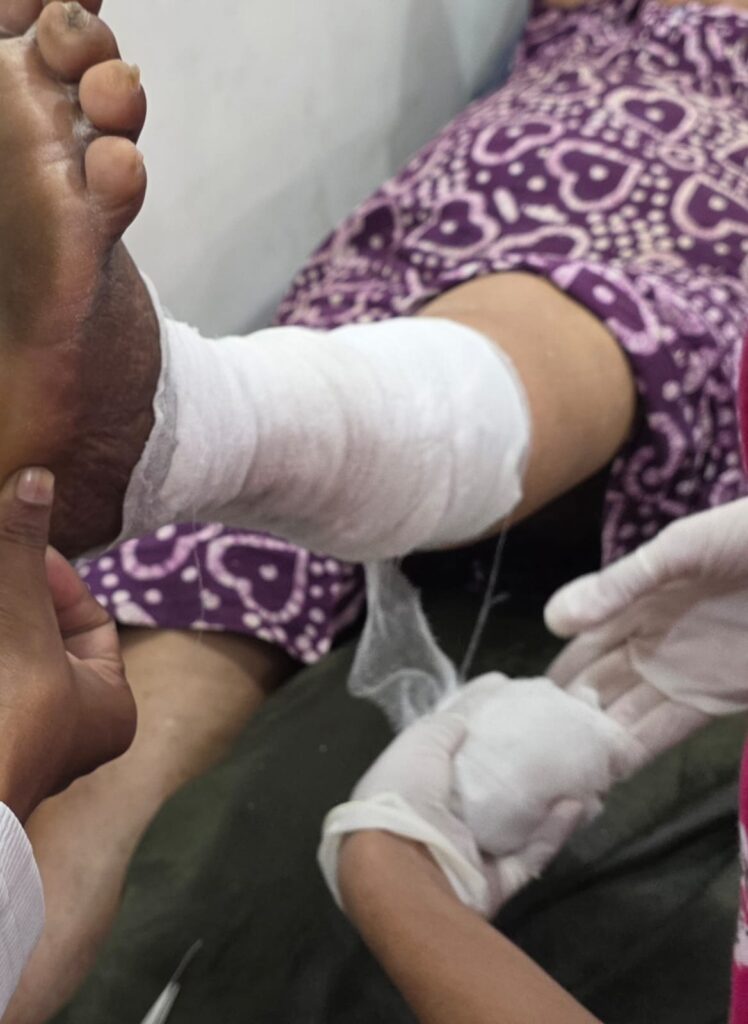
A: This is often “Neuropathy”—your nerves getting damaged due to high sugar. It is a sign that your body needs help immediately. At Swasthya Hospital, we offer specialized foot care to prevent this from getting worse.
A: Yes. When you are stressed, your body releases hormones that dump extra sugar into your blood for “quick energy.” If you aren’t physically active at that moment, that sugar just sits there.
Q: Is it okay to drink fruit juice instead of soda?
A: Honestly, fruit juice is often just as bad for sugar spikes because the fiber has been removed. It is much better to eat the whole fruit instead.
Q: Why does my sugar level change even when I haven’t eaten?
A: Your liver stores sugar and releases it when it thinks you need energy (like in the morning). This is why “fasting” sugar can sometimes be high. We help you understand these patterns.
Q: What is the very first step to reversal?
A: Get an HbA1c test. This tells us your average blood sugar over the last three months. It’s the “truth teller” that helps us build your roadmap.
Why Choose Swasthya Hospital?
We don’t just hand you a prescription and send you home. We walk the path with you. Our team of specialists work together to ensure your diet, movement, and medical care all point toward one goal: A healthier, medicine-free you. Your health is an investment, not an expense. Let’s start reversing the trend today.Care From the Comfort of Your Home
We understand that it isn’t always easy to travel for a check-up. That’s why Swasthya Hospital offers convenient Telemedicine services. You can consult with our expert doctors from the comfort of your own home via video or phone call. Simply book an appointment through our website or contact desk, and our team will guide you through the easy process step-by-step. Quality care is now just a click away!👨⚕️ Medically Reviewed By
Dr. Devansh J. Khandol M.D. (General Medicine), F.I.C.C., F.I.G.E., EULAR Certified Rheumatologist Consultant Physician and Diabetologist – GandhidhamMedical Disclaimer: This article is for educational purposes only and does not replace a professional medical consultation.