
Expert care for joint pain, arthritis, and autoimmune diseases—right where you need it in Bhuj.
If you are experiencing persistent joint pain, stiffness, swelling, or unexplained fatigue, it may not be just “normal aging.” These could be signs of underlying rheumatological conditions that require specialized care.
A rheumatologist is a doctor trained to diagnose and treat diseases affecting joints, muscles, bones, and the immune system.
Common Rheumatological Diseases We Treat
Rheumatology covers a wide range of conditions, including:
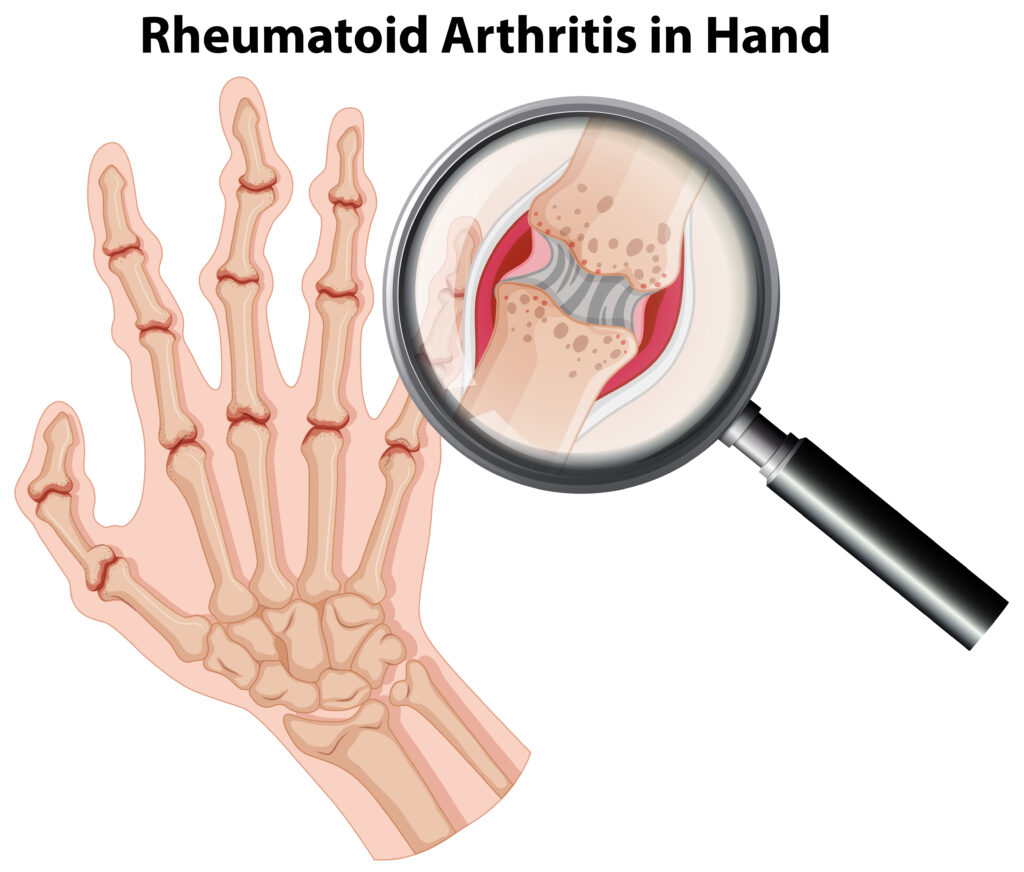
- Rheumatoid Arthritis (RA) – Autoimmune condition causing joint pain and swelling
- Osteoarthritis – Age-related joint wear and tear
- Gout – Sudden, severe joint pain due to uric acid buildup
- Ankylosing Spondylitis – Affects spine and posture
- Systemic Lupus Erythematosus (SLE) – Affects multiple organs
- Psoriatic Arthritis – Joint inflammation linked with psoriasis
Early diagnosis is key to preventing long-term complications.
Symptoms You Should Not Ignore
- Persistent joint pain or swelling
- Morning stiffness lasting more than 30 minutes
- Back pain (especially in younger individuals)
- Fatigue and weakness
- Recurrent joint redness or warmth
If these symptoms last for weeks, consult a rheumatologist.
Diagnosis & Advanced Evaluation
A rheumatologist uses a combination of:
- Detailed clinical examination
- Blood tests (inflammatory markers, autoimmune profiles)
- Imaging (X-ray, MRI, ultrasound)
Modern diagnostics help identify diseases at an early stage—even before severe damage occurs.

Dr. Devansh Khandol visits Bhuj (Leva Patel Hospital) on the 1st Friday of the Month
You can contact us on 81607 10208
Treatment Options – Rheumatologist in Bhuj
Treatment depends on the condition and severity, but may include:
- Medications
- Pain relievers and anti-inflammatory drugs
- Disease-Modifying Anti-Rheumatic Drugs (DMARDs)
- Biologic therapies (advanced targeted treatment)
- Lifestyle Modifications
- Exercise and physiotherapy
- Weight management
- Diet adjustments
- Long-Term Disease Management
Rheumatological diseases are often chronic but can be effectively controlled with proper treatment and regular follow-up.
Why Choose a Rheumatologist Near Bhuj?
Having a rheumatologist close to your location offers several benefits:
- Early Access to Care – No delays in diagnosis
- Regular Follow-Ups – Essential for chronic disease management
- Emergency Support – Quick help during flare-ups
- Better Treatment Compliance – Easier to stay consistent with visits
For patients in and around Bhuj, local access to specialized care can significantly improve quality of life.
Our rheumatology services are led by a highly qualified physician Dr. Devansh Khandol with an MBBS and MD in Internal Medicine, supported by advanced fellowships in Rheumatology, Cardiology, and Gastroenterology. This broad and in-depth training ensures a comprehensive approach to diagnosing and managing complex diseases that affect multiple systems in the body.
The doctor is also associated with EULAR (European Alliance of Associations for Rheumatology), reflecting a commitment to international standards, updated treatment protocols, and continuous medical learning in the field of rheumatology.

With strong clinical expertise and a focus on advanced diagnostics, the approach emphasizes early and accurate diagnosis—especially in conditions where symptoms may overlap or remain undetected for long periods.
Patients receive:
- Evidence-based, up-to-date treatment
- Personalized care plans tailored to their condition
- Regular monitoring for long-term disease control
- Guidance on lifestyle and preventive care
The goal is not just to manage symptoms, but to help patients achieve better mobility, reduce disease progression, and maintain a good quality of life.
Simple FAQs
1. What exactly does a rheumatologist treat?
A rheumatologist specializes in diseases affecting the joints, muscles, bones, and immune system. This includes conditions like arthritis, autoimmune diseases, back pain disorders, and inflammatory conditions that may affect multiple organs.
2. How is rheumatoid arthritis different from osteoarthritis?
Rheumatoid arthritis is an autoimmune disease where the body attacks its own joints, leading to swelling and deformity over time. Osteoarthritis, on the other hand, is due to wear and tear of joints and usually occurs with aging.
3. Can joint pain go away on its own?
Mild joint pain due to strain or overuse may improve with rest. However, if pain persists for more than a few weeks, keeps returning, or is associated with swelling or stiffness, it should be evaluated by a specialist.
4. Why is early diagnosis important in rheumatological diseases?
Early diagnosis helps prevent permanent joint damage, deformities, and disability. Many modern treatments work best when started early in the disease course.
5. What tests are commonly required?
Tests may include blood investigations (like inflammatory markers and autoimmune tests), X-rays, MRI, or ultrasound. Not every patient needs all tests—evaluation is individualized.
6. Are rheumatological diseases lifelong?
Many of these conditions are chronic, meaning they may last long-term. However, with proper treatment, patients can live normal, active lives with minimal symptoms.
7. What are DMARDs and why are they important?
DMARDs (Disease-Modifying Anti-Rheumatic Drugs) are medications that not only relieve symptoms but also slow or stop disease progression, preventing joint damage.
8. Are these medications safe?
Yes, when prescribed and monitored by a qualified doctor. Regular follow-ups and blood tests help ensure safety and effectiveness.
9. What are biologic therapies?
Biologics are advanced medicines that target specific parts of the immune system. They are used in patients who do not respond to conventional treatments and can significantly improve outcomes.
10. Can diet help in managing these diseases?
Diet alone cannot cure rheumatological conditions, but a healthy diet can reduce inflammation, improve overall health, and support treatment. Maintaining a healthy weight is especially important.
11. Is exercise safe for joint pain patients?
Yes, appropriate exercise is actually beneficial. It helps maintain joint mobility, strengthens muscles, and reduces stiffness. However, it should be guided by a doctor or physiotherapist.
12. What is a flare-up?
A flare-up is a period when symptoms like pain, swelling, and stiffness suddenly worsen. Proper treatment and regular follow-ups help reduce the frequency and severity of flare-ups.
13. Can these diseases affect organs other than joints?
Yes, some autoimmune diseases can affect the skin, kidneys, lungs, heart, and eyes. This is why timely diagnosis and expert care are important.
14. Is back pain always related to rheumatology?
Not all back pain is rheumatological. However, chronic back pain in young individuals, especially with morning stiffness, may indicate conditions like ankylosing spondylitis.
15. How often should I follow up with a rheumatologist?
Follow-up frequency depends on the condition and treatment. Initially, visits may be more frequent, and once stable, they may be spaced out.
16. Can I stop medicines once I feel better?
No, medicines should not be stopped without medical advice. Stopping treatment suddenly can lead to disease flare-ups and complications.
17. Are rheumatological diseases hereditary?
Some conditions have a genetic component, meaning they may run in families. However, not everyone with a family history will develop the disease.
18. What lifestyle changes can help?
- Regular exercise
- Balanced diet
- Avoid smoking
- Stress management
- Maintaining a healthy weight
These changes support medical treatment and improve overall quality of life.
19. When should I seek urgent medical care?
Seek immediate attention if you have severe joint pain with fever, sudden swelling, inability to move a joint, or new symptoms affecting breathing, chest pain, or vision.
20. Why choose a rheumatologist in Bhuj instead of traveling far?
Because these conditions require regular monitoring, dose adjustments, and long-term care. Having a specialist in your city ensures timely treatment, better compliance, and convenience for the patient and family.
Final Note
Early diagnosis and timely treatment by a qualified rheumatologist can prevent complications and help you live a normal, active life.
This information is for educational purposes only and should not replace professional medical advice. Please consult a qualified doctor for proper diagnosis and treatment.